
New Report: What can Cape Town learn from Paris' Olympic Games Success
Download the report from our Research section
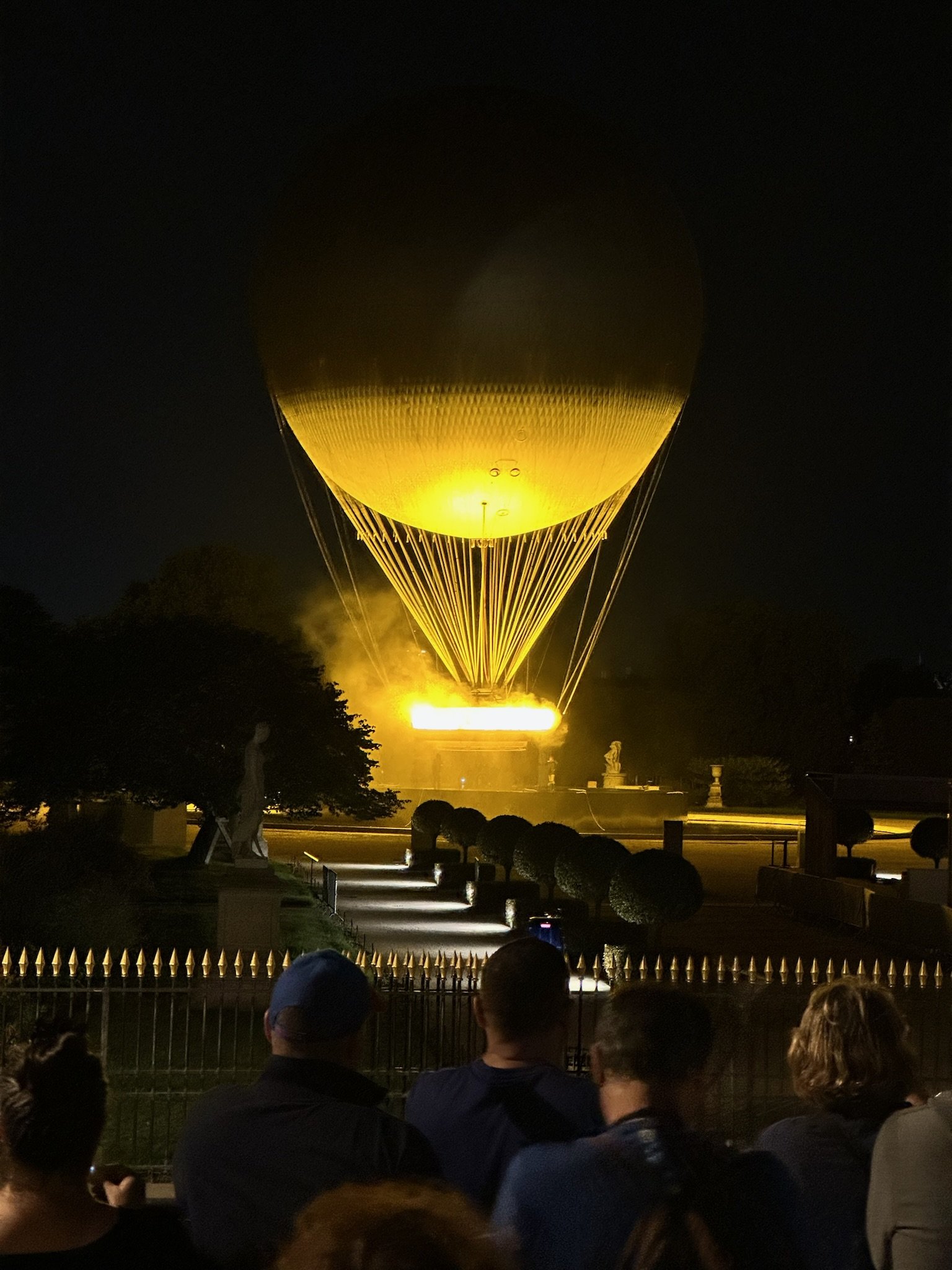
The Olympic Games is a rare opportunity to reshape a city for generations to come. Paris 2024 embraced this opportunity through bold leadership from Tony Estanguet, Mayor Anne Hidalgo, and President Macron, who prioritised climate action, long-term planning, and legacy over short-term wins—despite occasional opposition. Under the ethos of Jeux Ouverts—Games Wide Open—Paris reimagined many aspects of the Games, from the Torch Relay and Cauldron to the Opening Ceremony. Sustainability was embedded throughout the Games, setting a benchmark for future host cities to make the Games more accessible to the public.
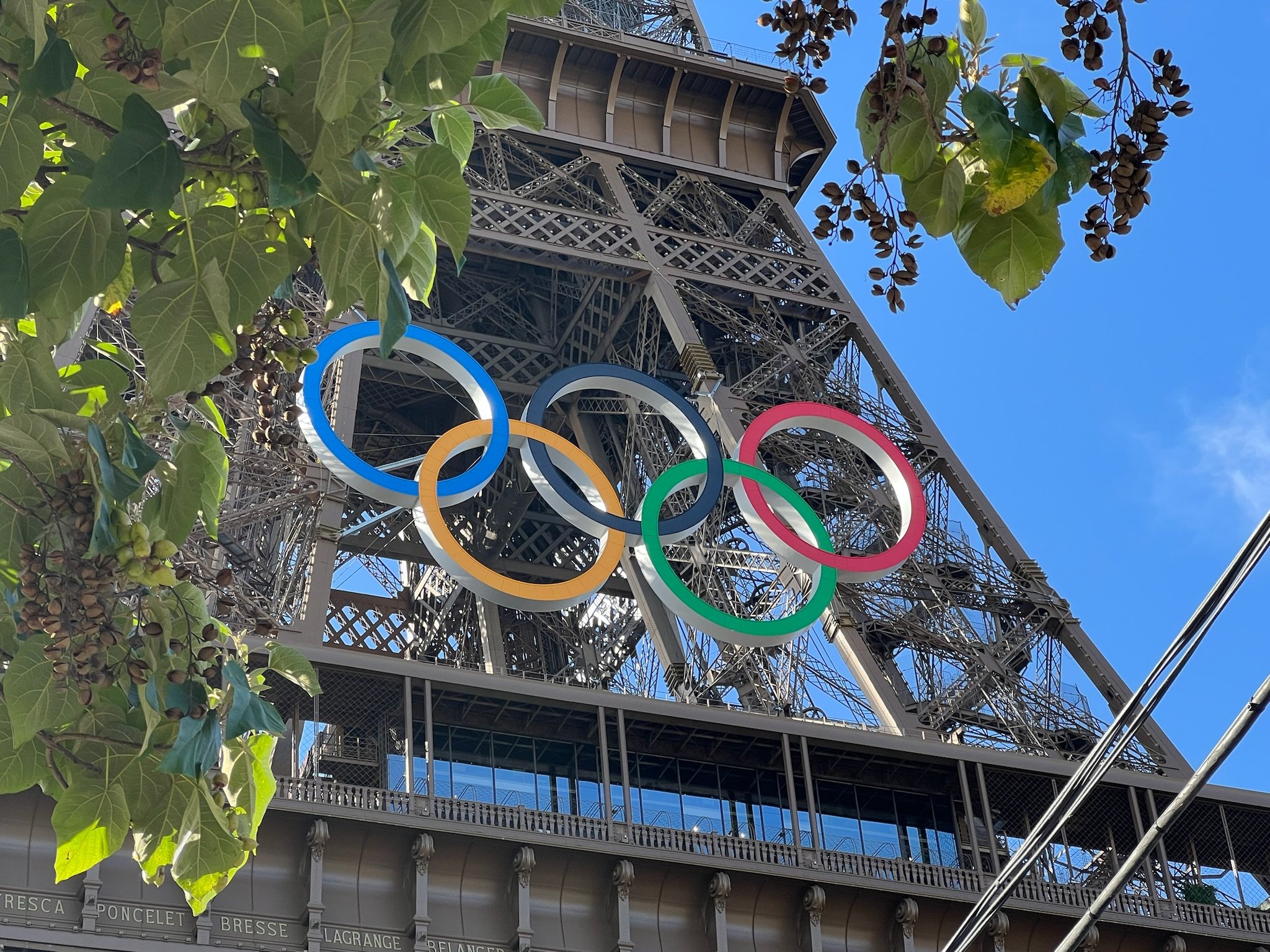
Crucially, Paris was the first city to fully align its Games with the Olympic Agenda 2020+5, which prioritises flexibility, cost-efficiency, and sustainability. Rather than forcing the city to adapt to the Olympics, the Games were moulded around Paris—this was done using existing infrastructure, historic landmarks, and long-term urban planning strategies. The result was a Games that felt distinctly Parisian: infused with creativity, cultural identity, and a commitment to legacy.
The Olympic Agenda 2020+5 and the Paris 2024 Olympic success raise an important question: What would it mean for Cape Town to host the Olympic Games? As the potential first African host, Cape Town’s Games would be more than a sporting event—it would catalyse much-needed investment in jobs, housing, transport, and public space. But beyond infrastructure upgrades, hosting the Games invites another reflection: What unique contributions could Cape Town bring to the Games? How could it embody Olympism in an authentically African way while advancing the goals of Olympic Agenda 2020+5?
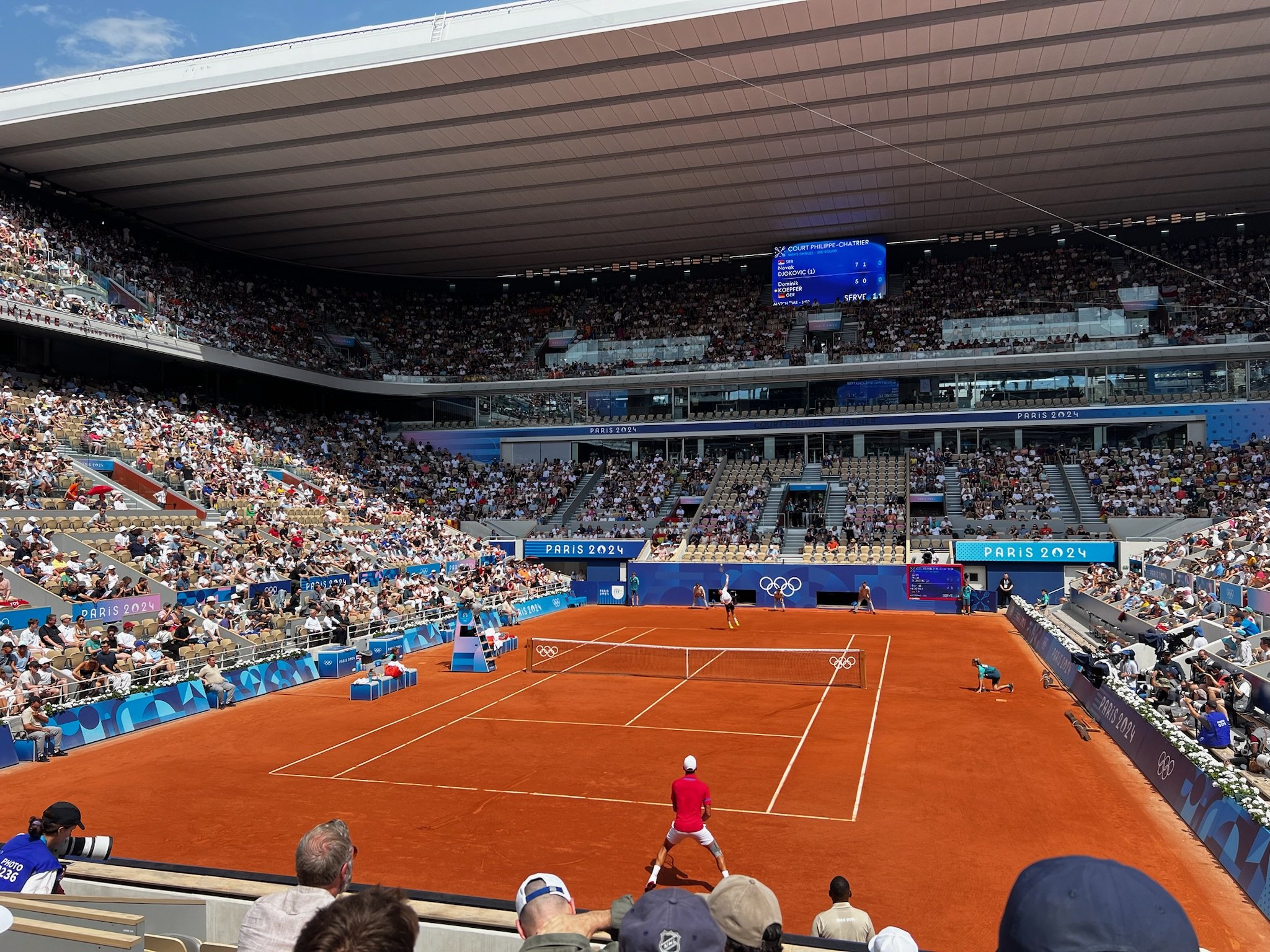
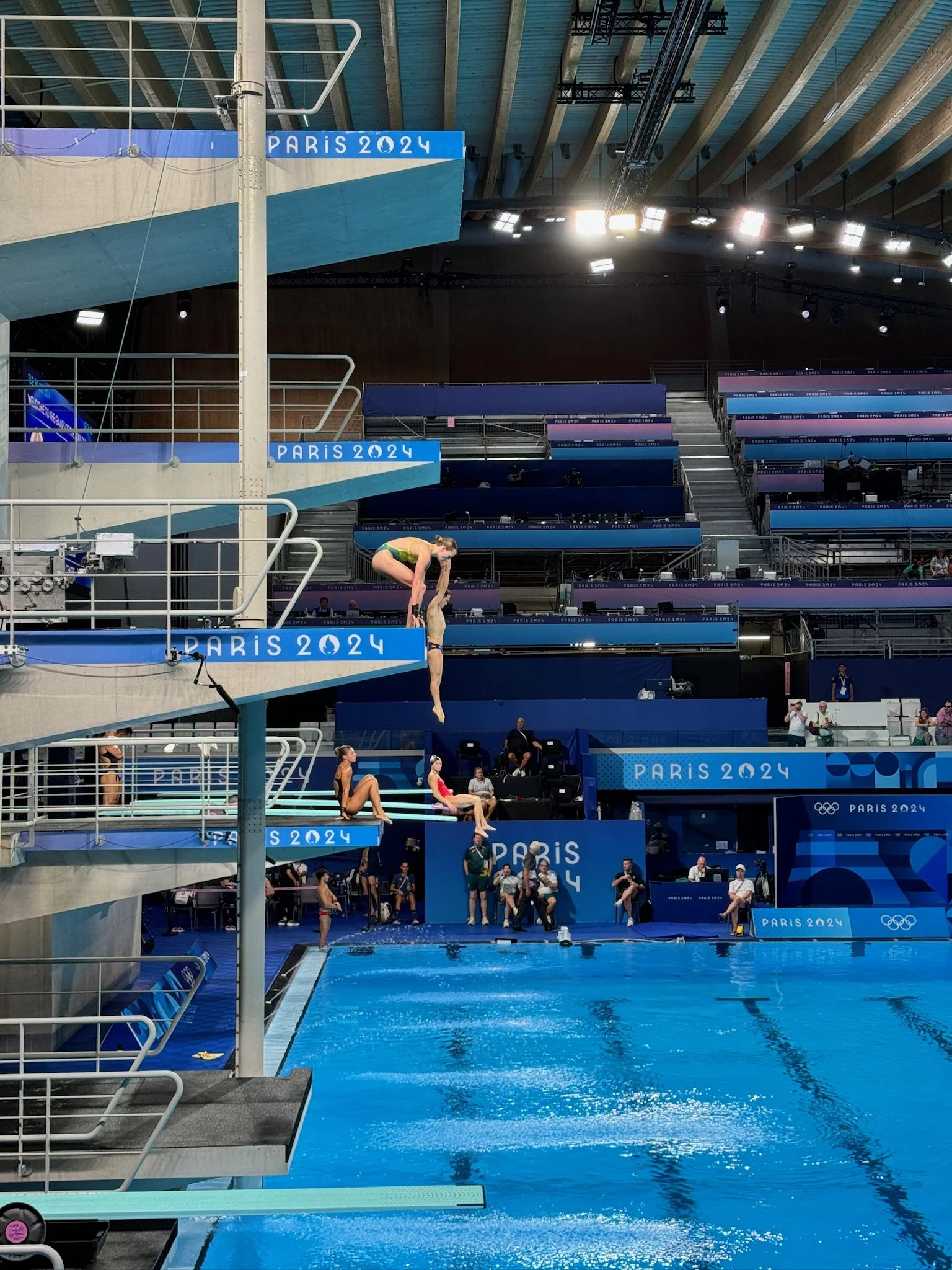
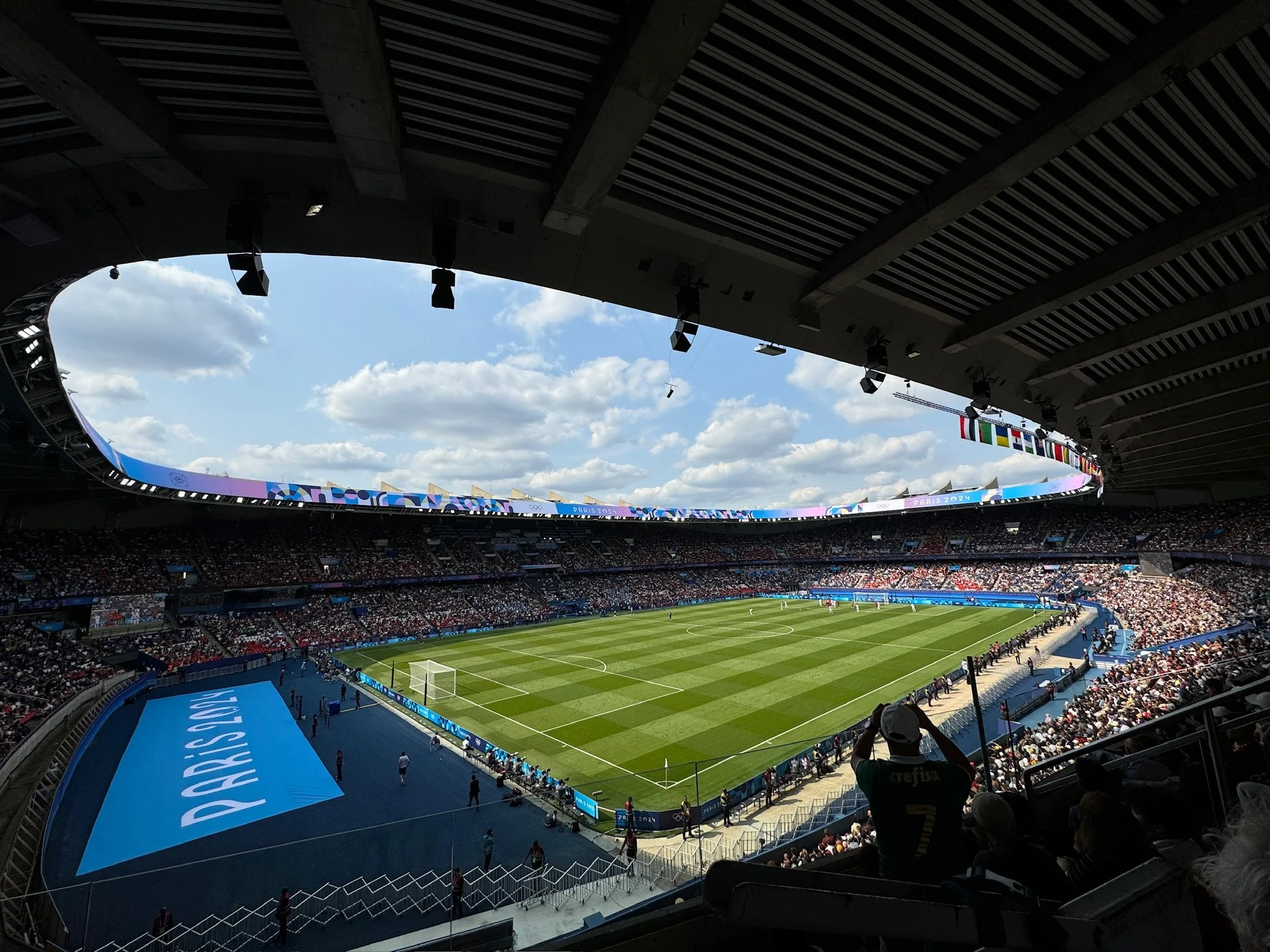
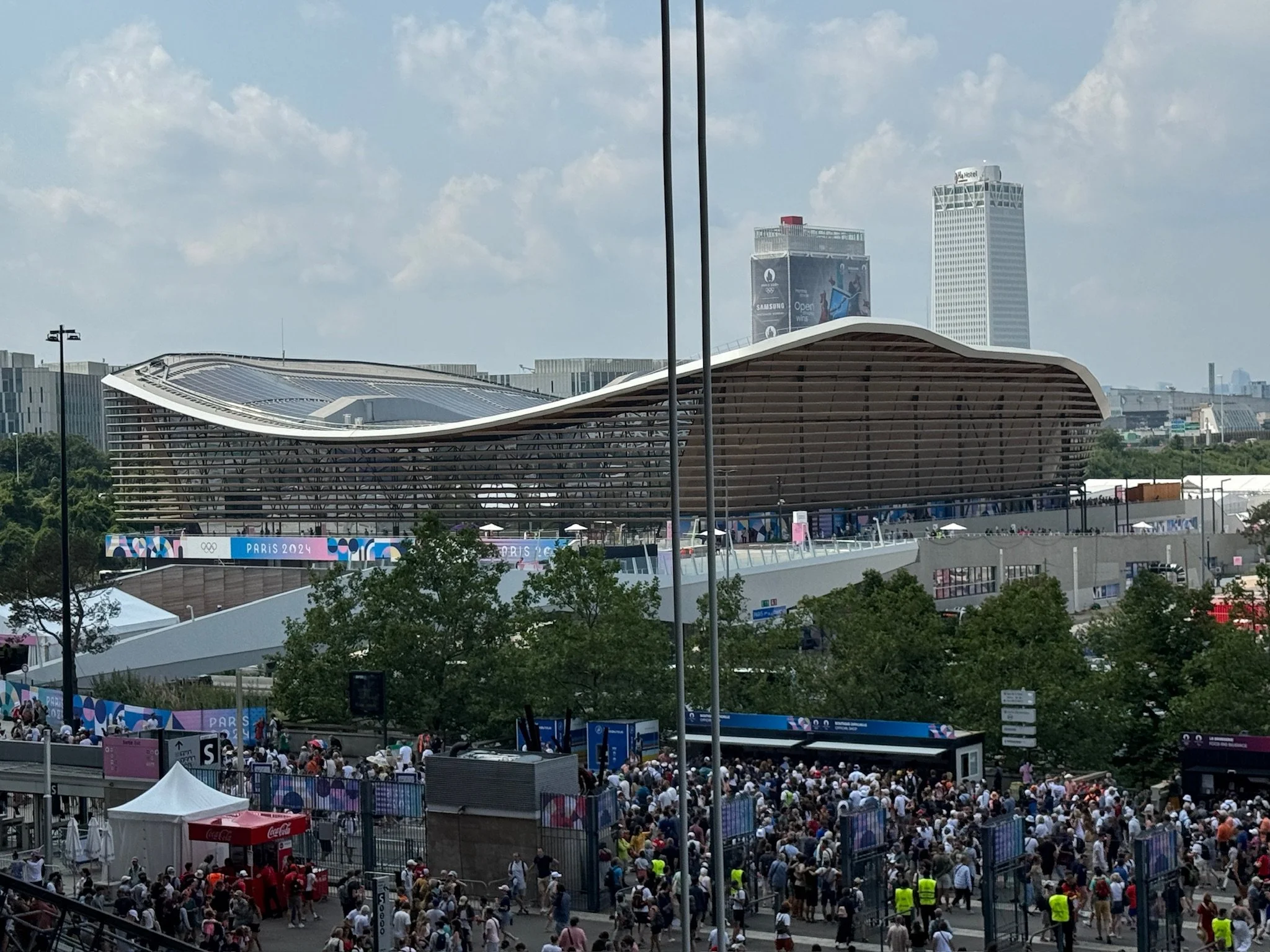
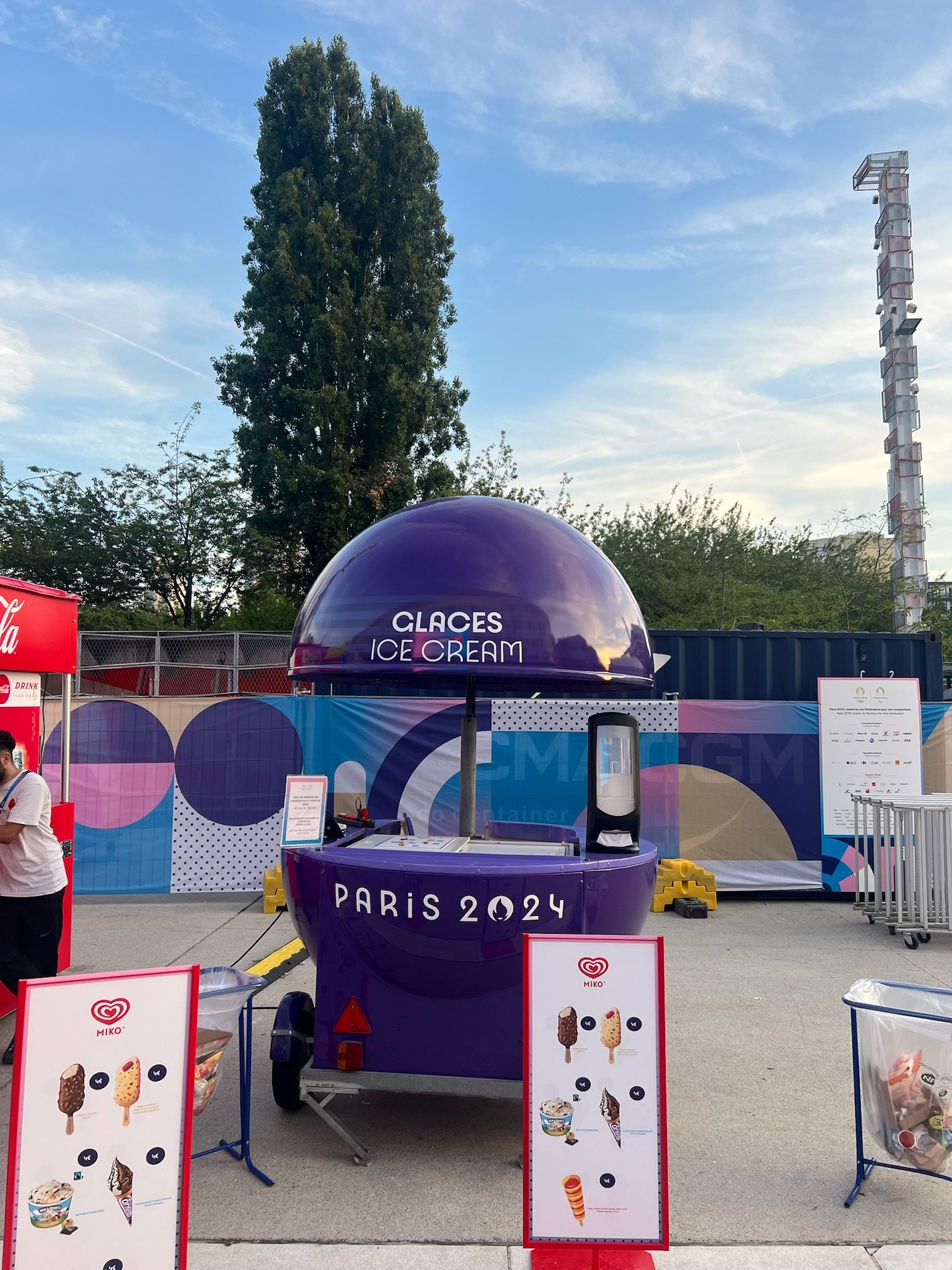
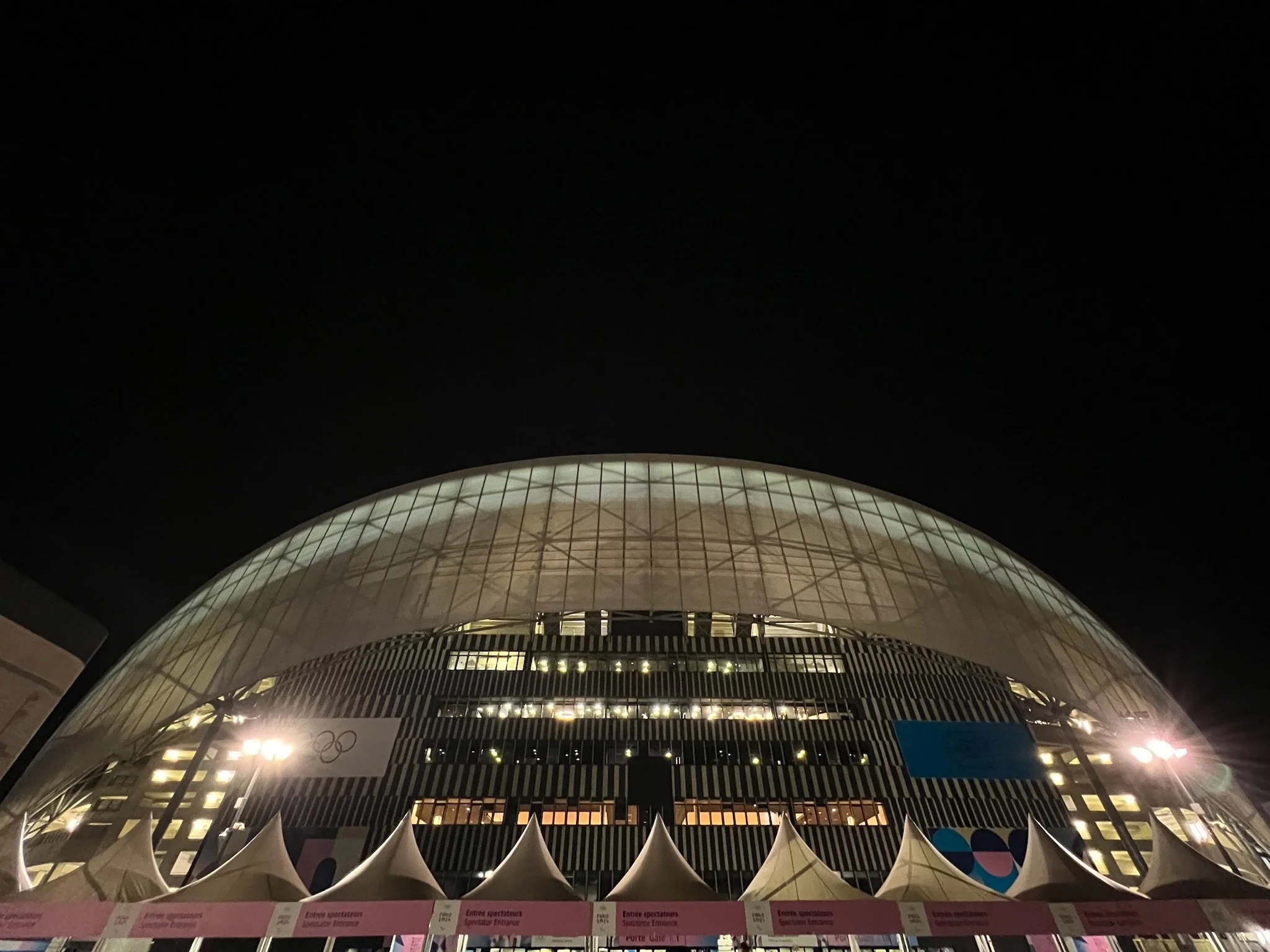
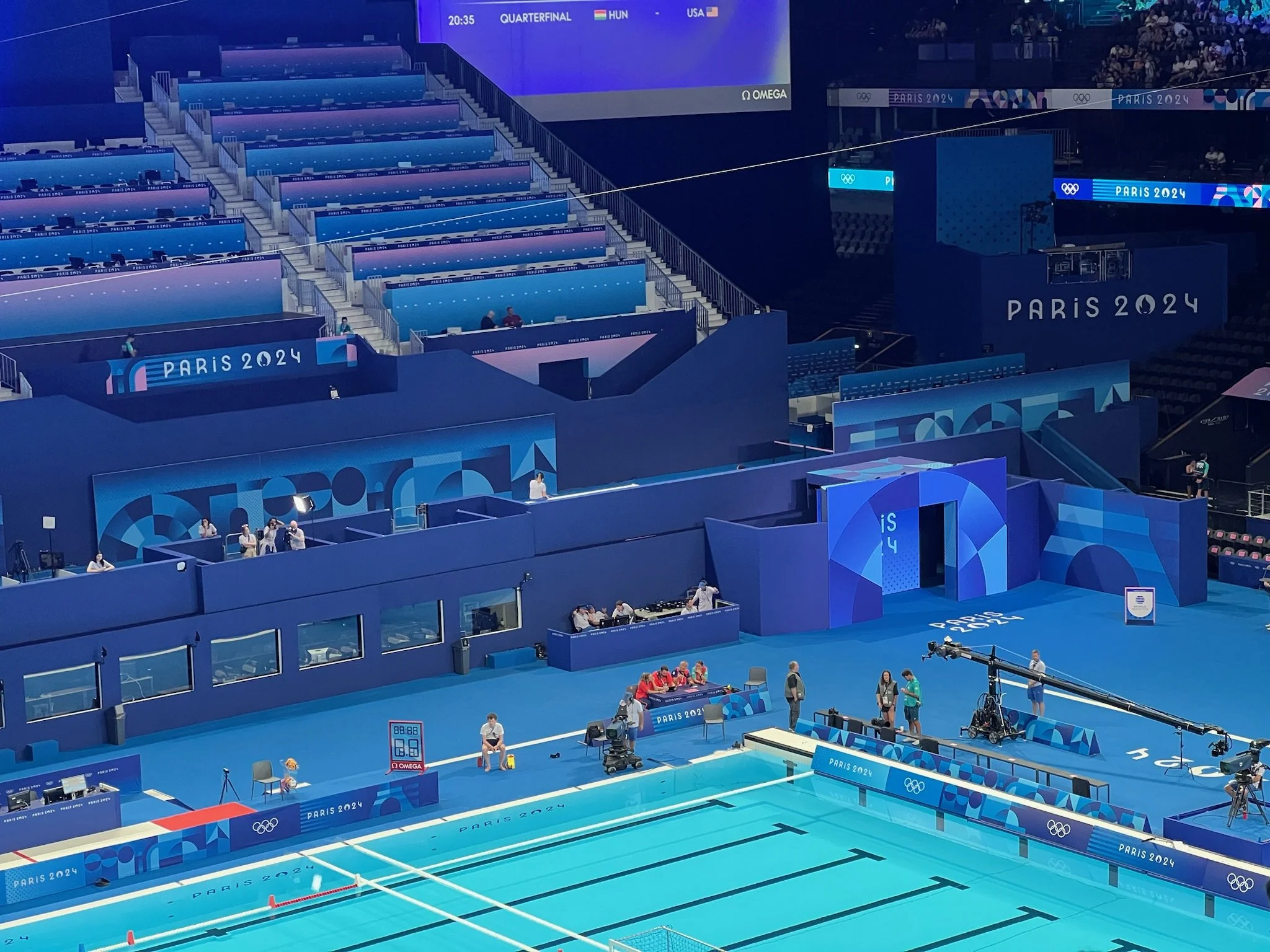
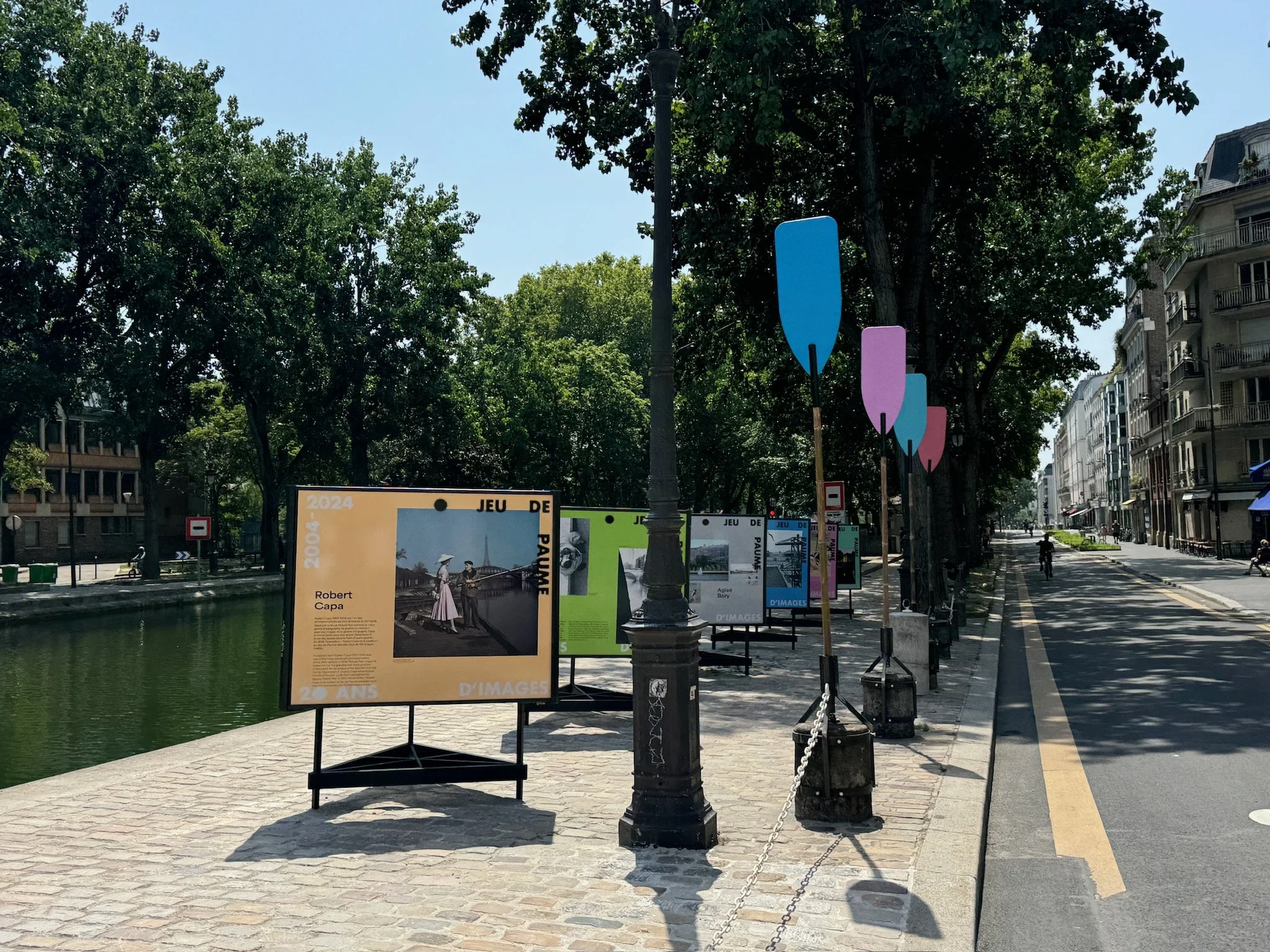
To explore these questions, the Cape Town 2040 think tank undertook a learning mission to the Paris Olympic Games, visiting 12 key venues, including the Stade de France, Parc des Princes, the Olympic Aquatics Centre, La Défense Arena, and Les Invalides. We saw first-hand how Paris interwove sport, culture, and public life —not just in stadiums but in public spaces like the Parc des Nations, where exhibitions and activations made the Olympics a citywide experience.
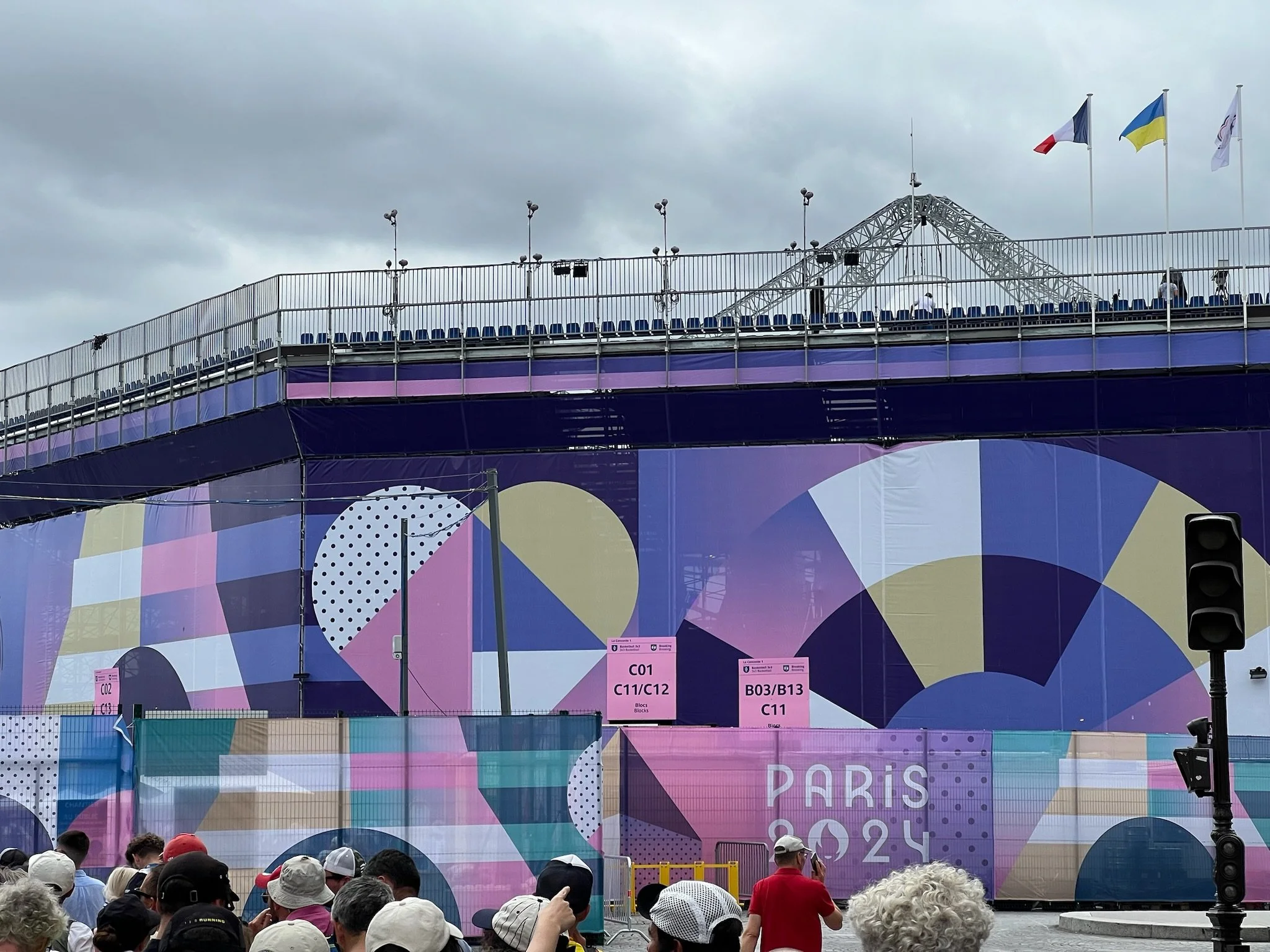
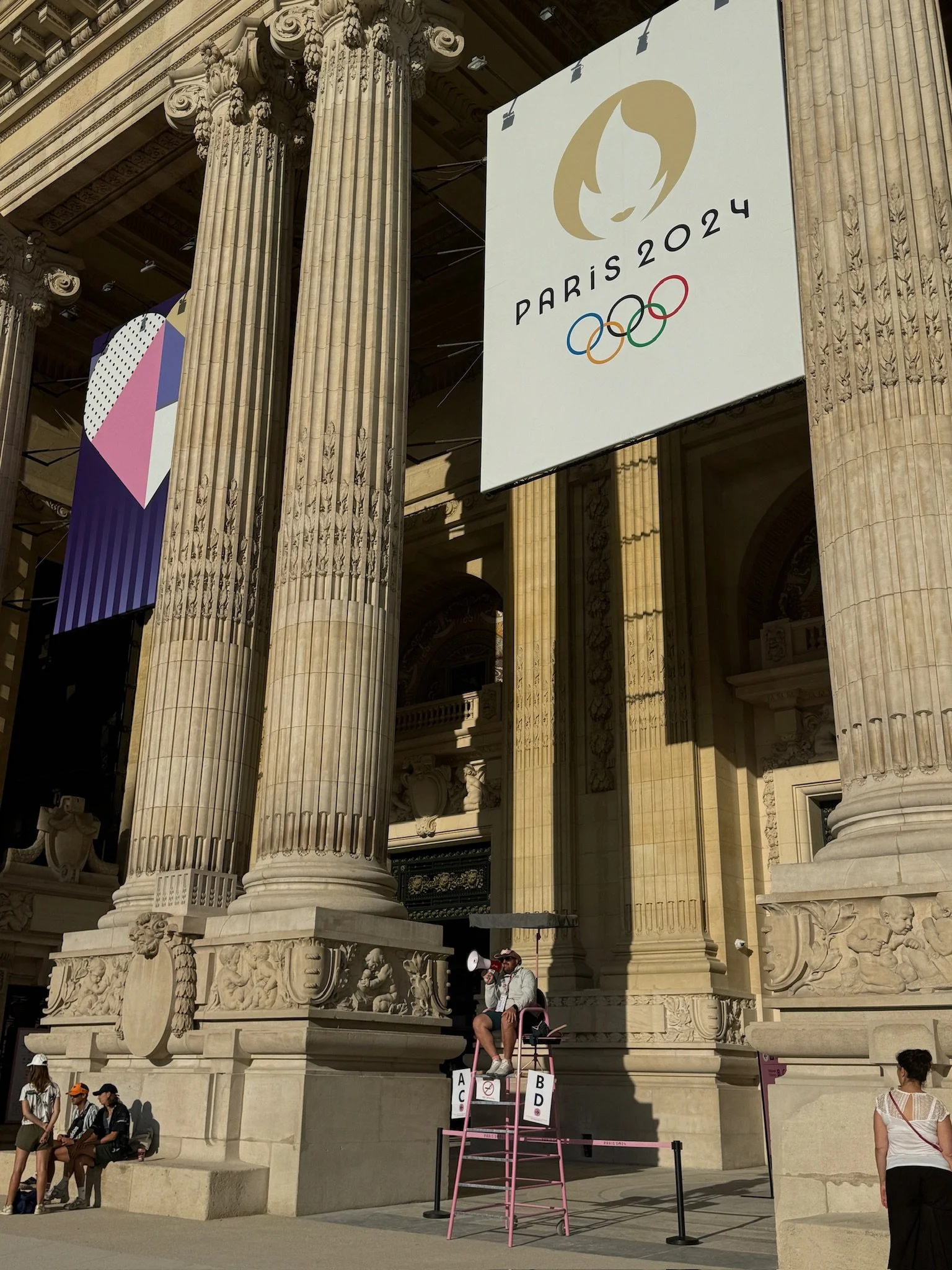
A defining feature of Paris 2024 was its ability to maximise the use of existing venues, historic sites, and public spaces—this meant that only one new permanent venue was built specifically for the Games. Instead of large-scale construction, the city leveraged its rich architectural heritage, adapting spaces like the Grand Palais, La Concorde, and Les Invalides into world-class sporting venues. This not only reduced costs and environmental impact but also reinforced the city’s unique identity.
For Cape Town, the potential is clear. As Cape Town 2040’s previous studies have demonstrated, the city could host the Games by utilising approximately 80% of existing and temporary venues. Paris demonstrates how historic sites and buildings can be creatively repurposed into sporting venues. Can Cape Town take this concept even further? Could it set a new precedent for a Games that is deeply integrated with the city’s cultural and natural landscapes?
A more dispersed, national Games could potentially take shape if we started to think beyond Cape Town, and made the most of South Africa's diverse landscape and heritage. Sport could be connected with South Africa's history of resilience and freedom by hosting archery or boxing on Robben Island. Surfing at Jeffreys Bay, mountain biking in Stellenbosch, or a marathon weaving through Cape Town’s many neighbourhoods are more examples of how we can fully utilise South Africa’s unique landscapes for as world class sporting venues. Just as Marseille hosted Olympic sailing and football, the South African Games could extend to Soccer City in Johannesburg or rowing in smaller Western Cape towns,ensuring nationwide engagement and legacy.
The Games could also lay the foundations for an era-defining investment in affordable housing. The Athletes’ and Media Villages alone would likely deliver the largest affordable housing programme in a single decade in the city-region’s history—a legacy that would reshape communities long after the Olympic flame is extinguished. It’s a vision we can all get behind.
Transport infrastructure, too, could be transformed. The City of Cape Town’s proposed R120 billion capital plan for the next decade includes MyCiTi bus rapid transit expansions and new non-motorised transport networks. Hosting the Olympics could secure funding and set firm deadlines for long-overdue rail projects,such as a Khayelitsha-to-Bellville link,ensuring that the legacy of the Games benefits residents for generations to come.
Our report, ‘From Paris to Cape Town: Insights from the Learning Mission to the Paris 2024 Olympic Games’ explores these themes in greater depth. It challenges us to move beyond imagining and begin planning—to see the Olympic Games not just as an event, but as a once-in-a-generation opportunity to redefine Cape Town’s future. The time to reimagine is now.
View the presentation: From Paris to Cape Town - Lessons, Insights And Ideas From The Cape Town 2040 Think-Tank’s Learning Mission To The Paris 2024 Olympic Games