
CT2040 publishes Milano Cortina 2026 Olympic Winter Games learning mission report
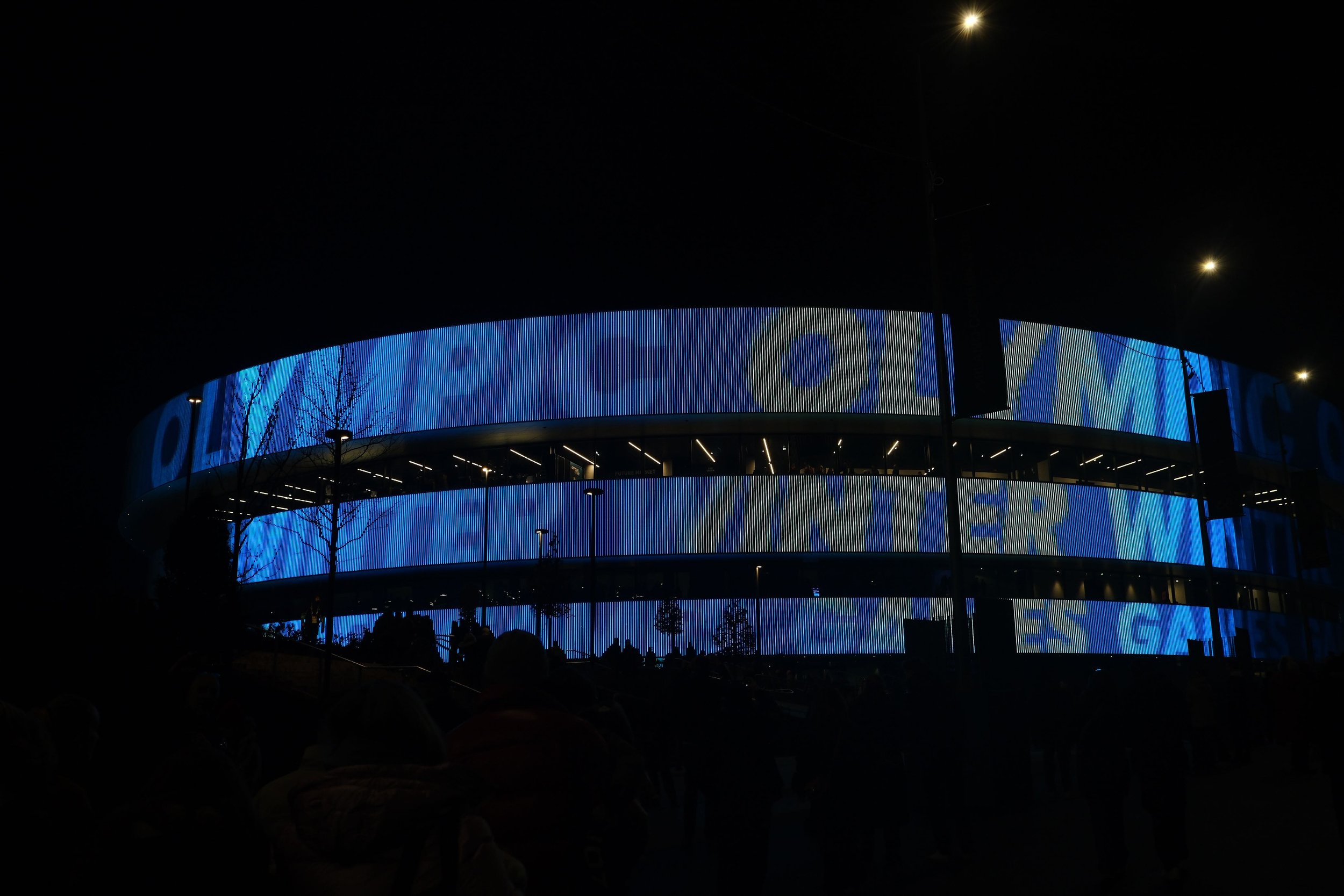
Cape Town 2040 has published From Milano Cortina to Cape Town, a new learning mission report examining what a future Cape Town and South Africa Olympic and Paralympic Games could learn from the Milano Cortina 2026 Olympic Winter Games.
The report reflects on key insights and opportunities from one of the most geographically distributed Olympic Games to date, and translates them into ten learning measures for local consideration. These cover governance, mobility, public space, ceremonies, venues, accommodation, development districts, private-sector delivery partnerships, culture and fan engagement.
Download the report here or visit our Research section.
Key facts
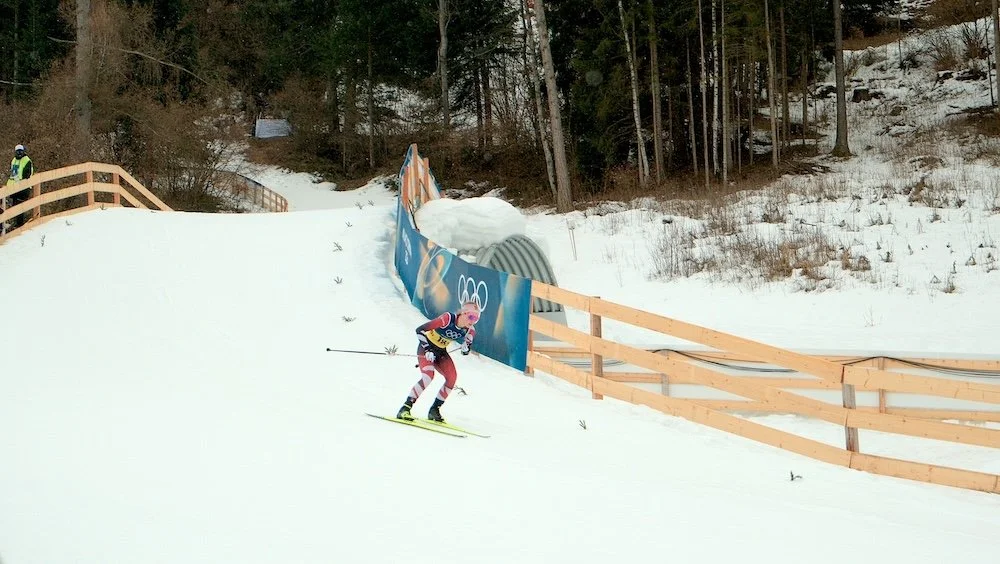
Milano Cortina 2026 was the most geographically dispersed Winter Olympic Games in history, spanning more than 22,000 km² across northern Italy, four competition clusters and six Olympic Villages.
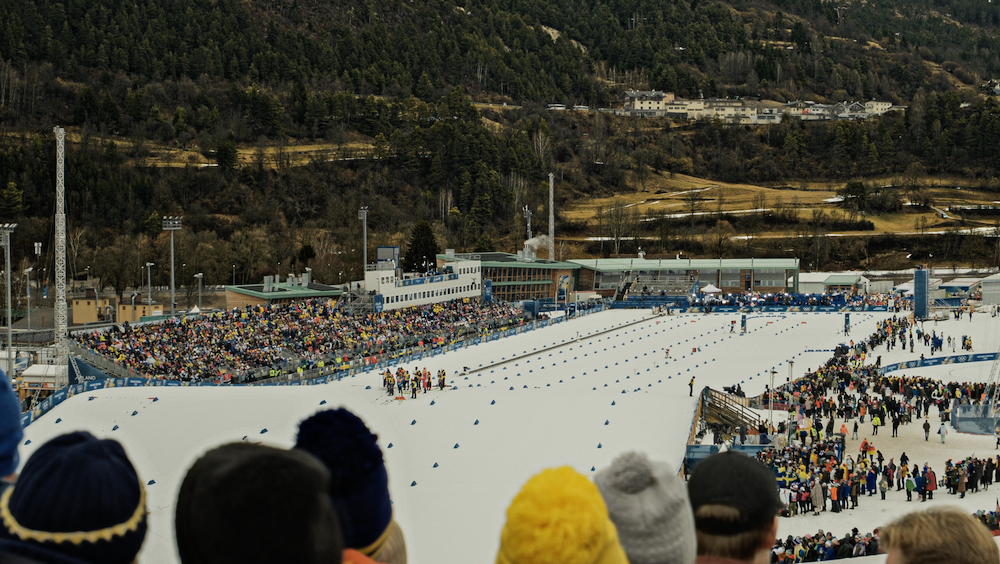
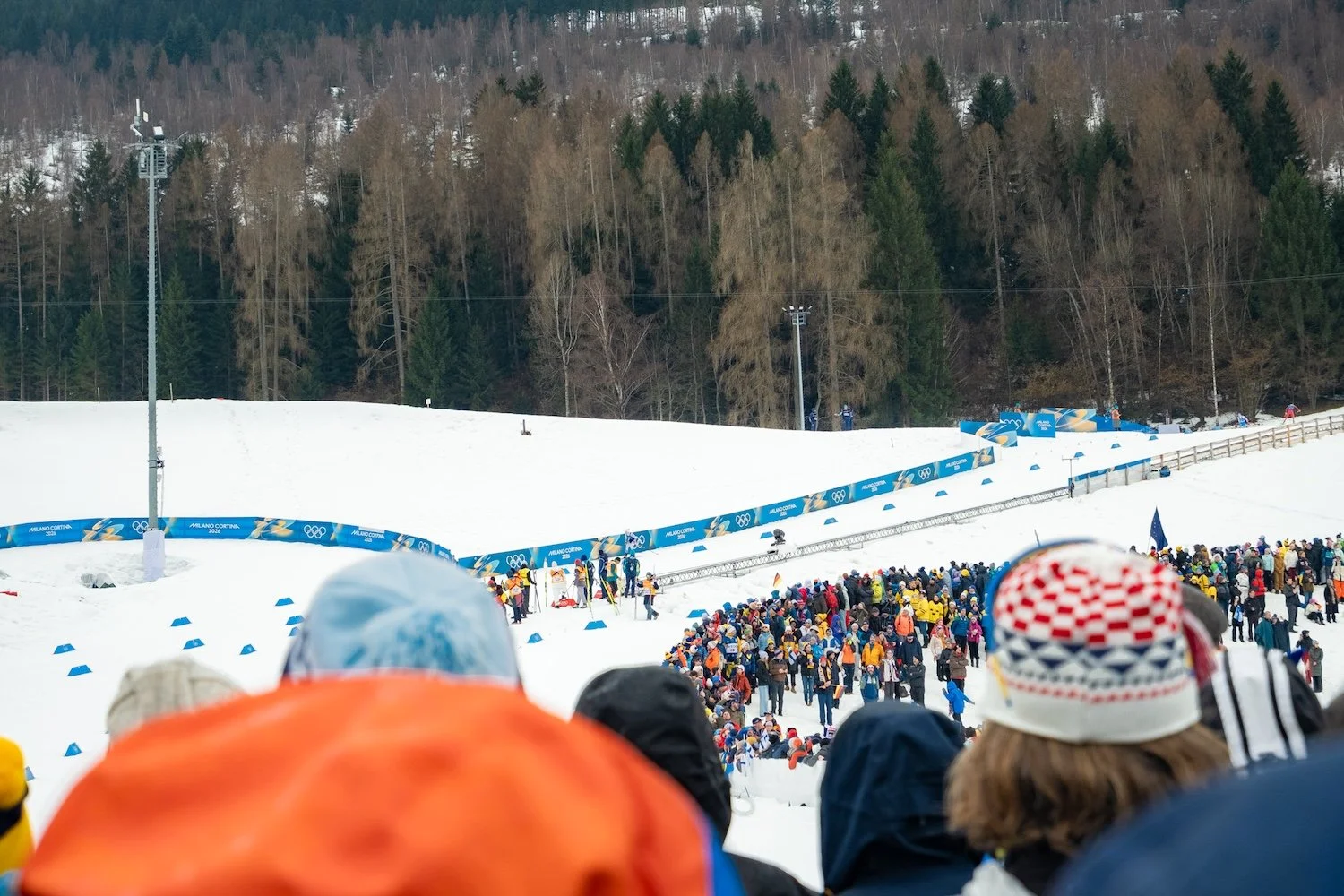
The Games brought together major city venues, historic centres, mountain towns, existing venues, new infrastructure and temporary accommodation models.
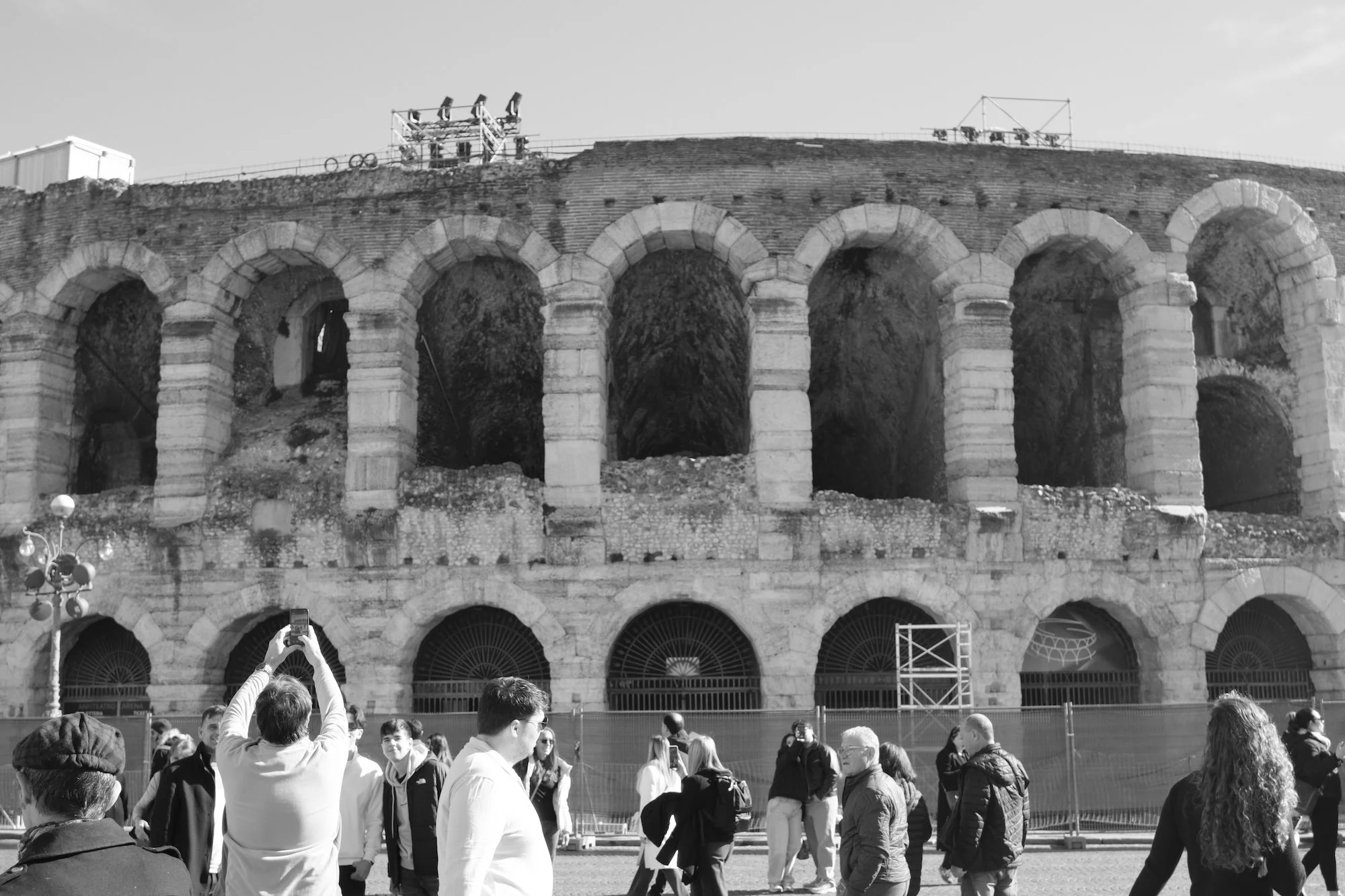
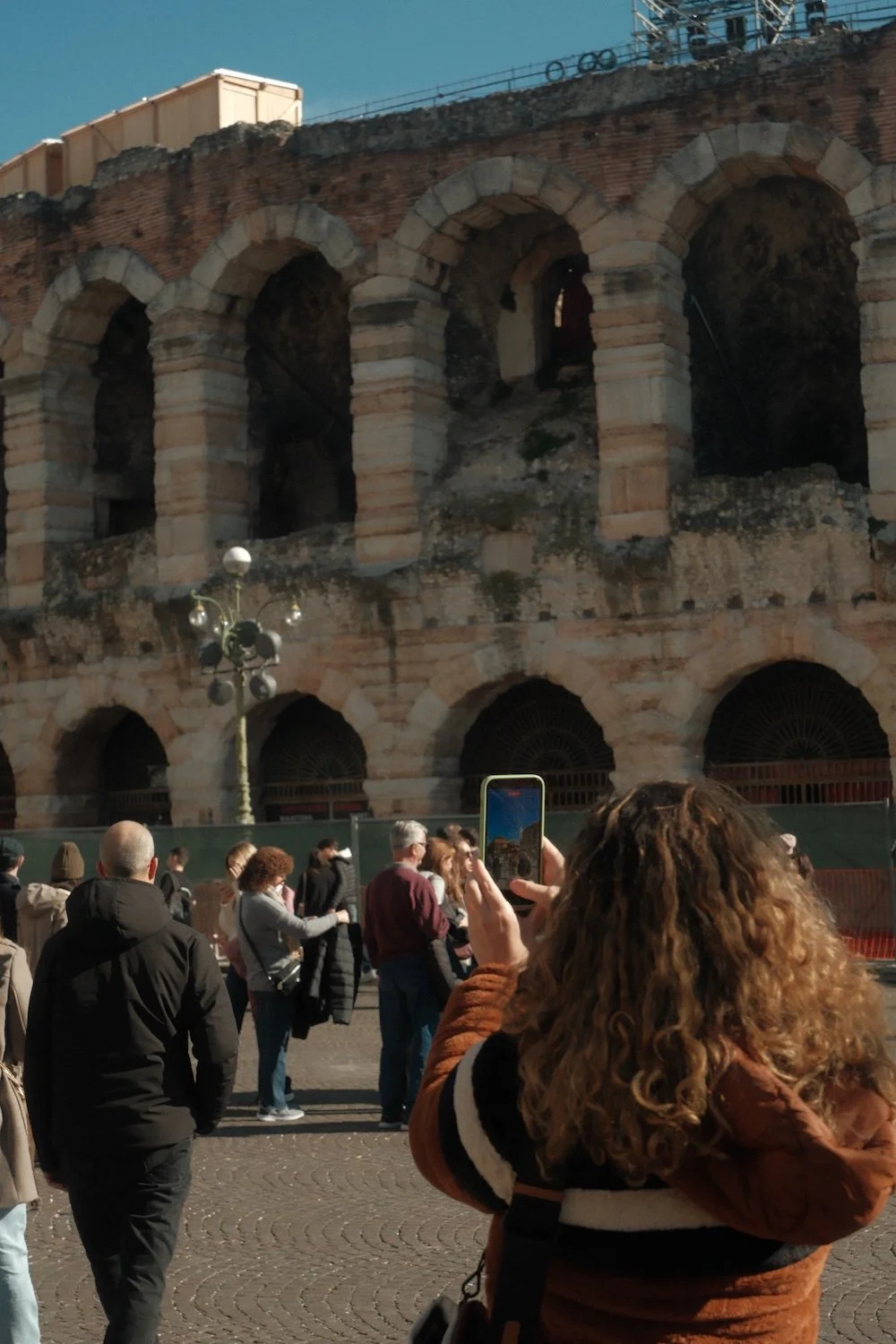
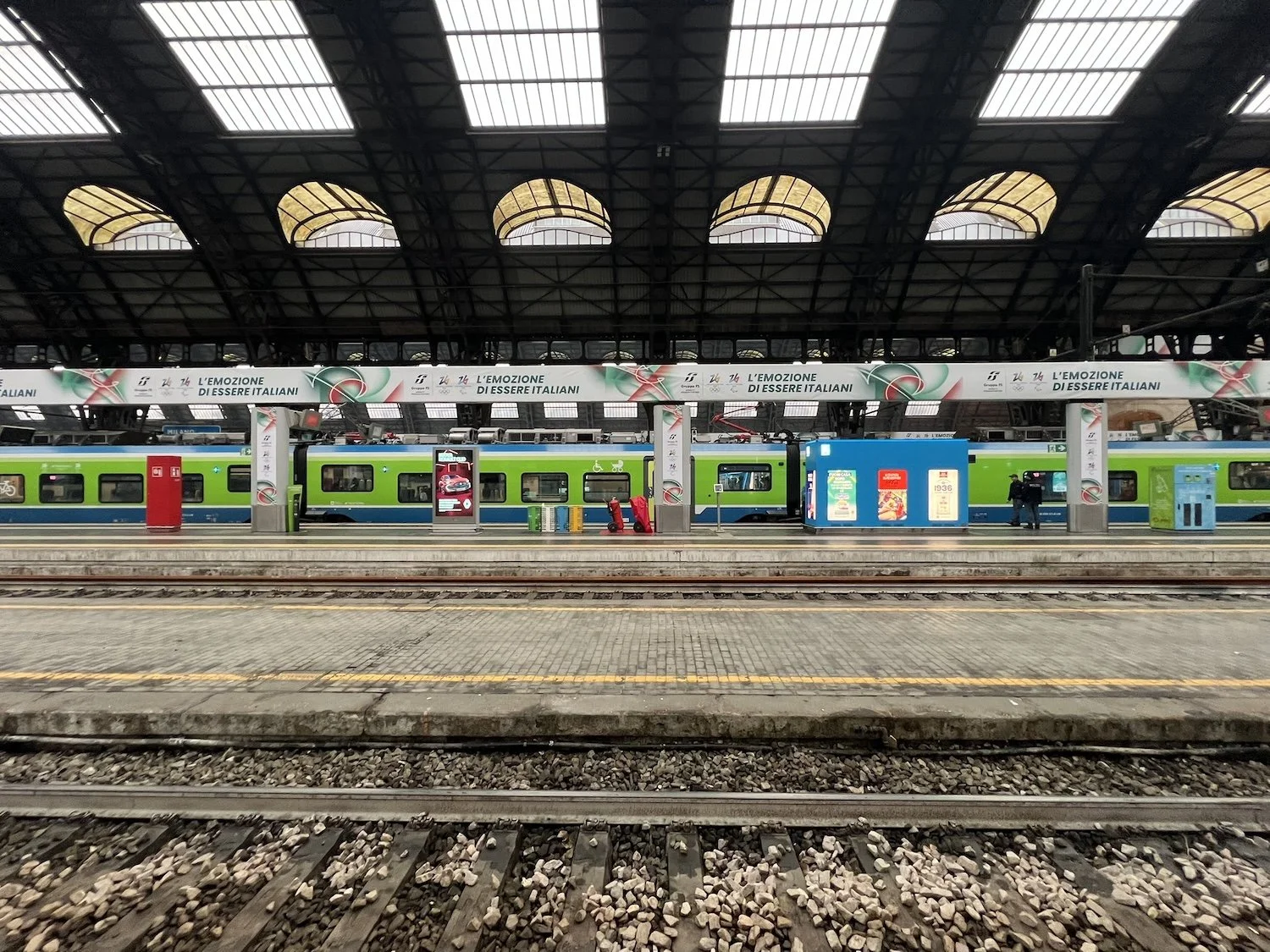
The CT2040 learning mission travelled through Milan, Verona, Tesero and Turin in a single week, using rail, regional transport and shuttle systems that formed part of the Games-time mobility network.
The report sets out ten learning measures for a future Cape Town and South Africa Games, with direct implications for governance, transport, public space, venue reuse, accommodation and legacy planning.
Rashiq Fataar, Co-Convenor of Cape Town 2040, said:
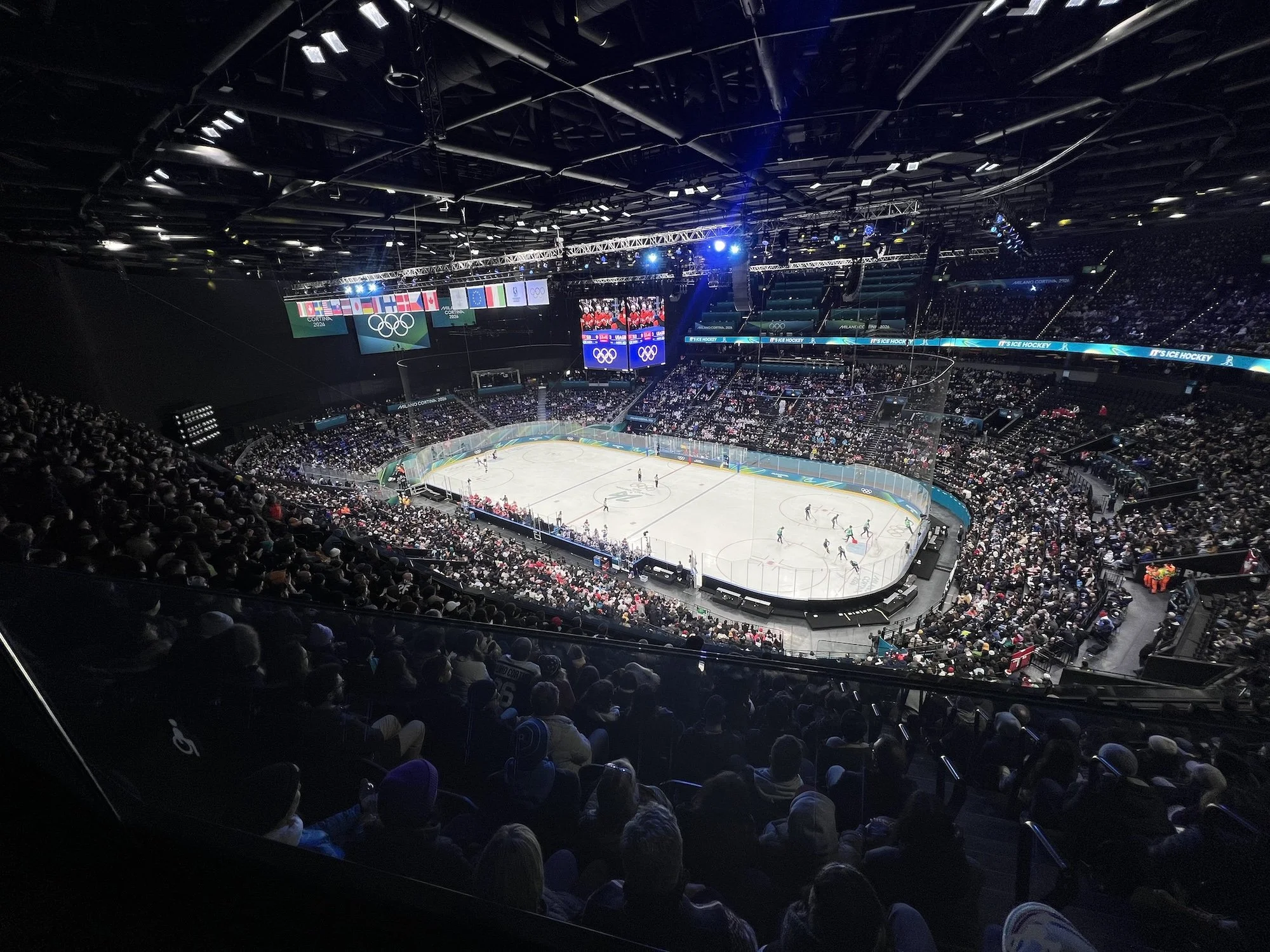
“Milano Cortina had a distinct Italian style and magic, carried by its people, regions and places as much as its venues. The electric atmosphere at the Santa Giulia Arena. Crowds gathering at the Olympic cauldron long after dark. Historic centres and Alpine towns, each bringing their own character to a festival of winter sport. That is what a Games can be at its best.
We present this learning mission to test what Cape Town and South Africa can learn from that experience, and to contribute to the discussion on how a future Games could support the long-term development of our city and country.”
A key finding is that, if applied carefully, a geographically distributed hosting model could offer significant advantages for a future Cape Town and South Africa Games. It could spread economic activity across more places, involve more communities, showcase more of the country and reduce pressure on Cape Town’s accommodation and venue base. At the same time, the report highlights that this model would require early agreements on governance, roles, responsibilities, costs and service levels across host territories.
The report also underlines that Games-time mobility depends on the strength of the underlying public transport system, not only on temporary Games services. It identifies rail, regional mobility, interchange quality, last-mile connections and reliable airport access as central issues for any future Cape Town and South Africa Games.
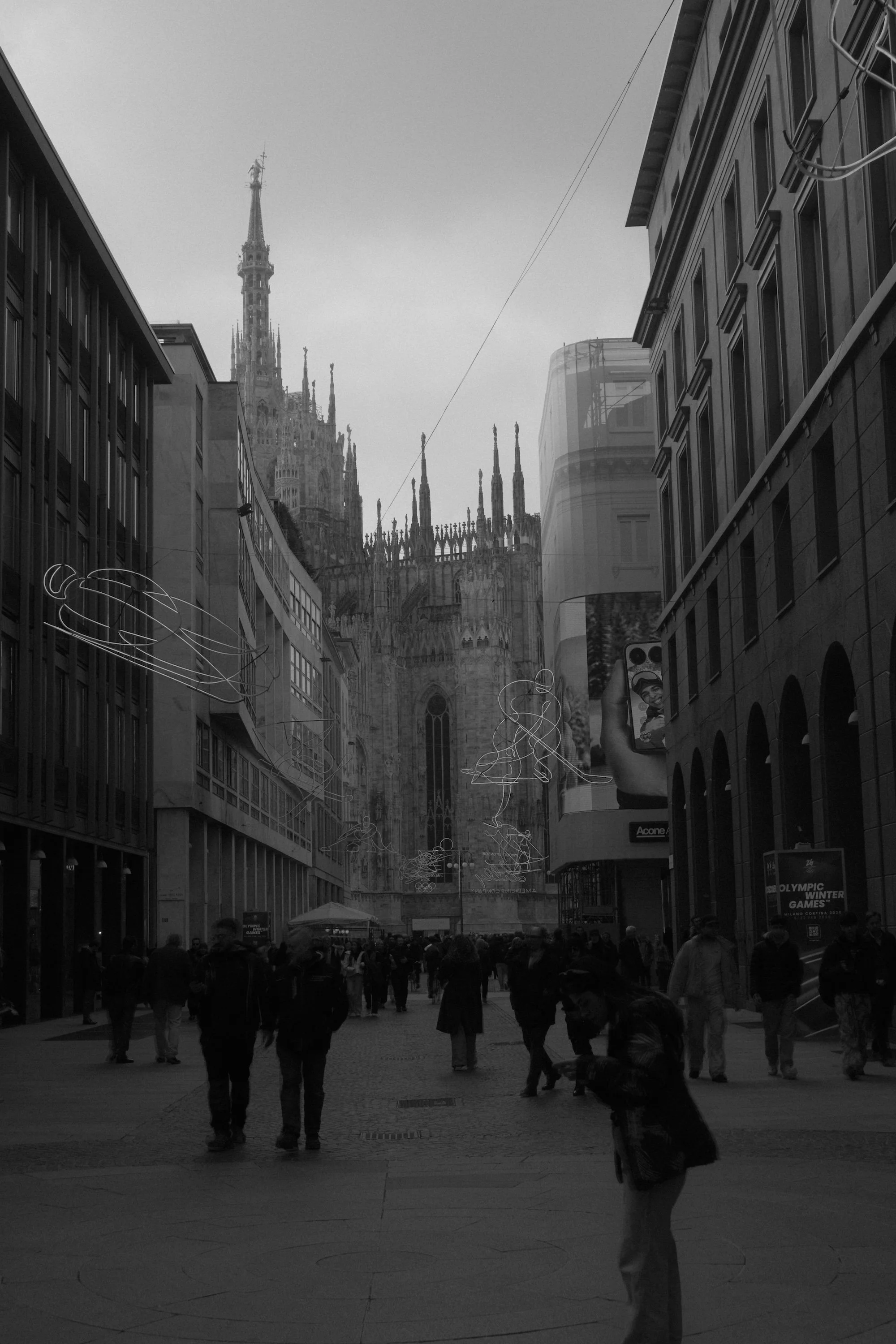
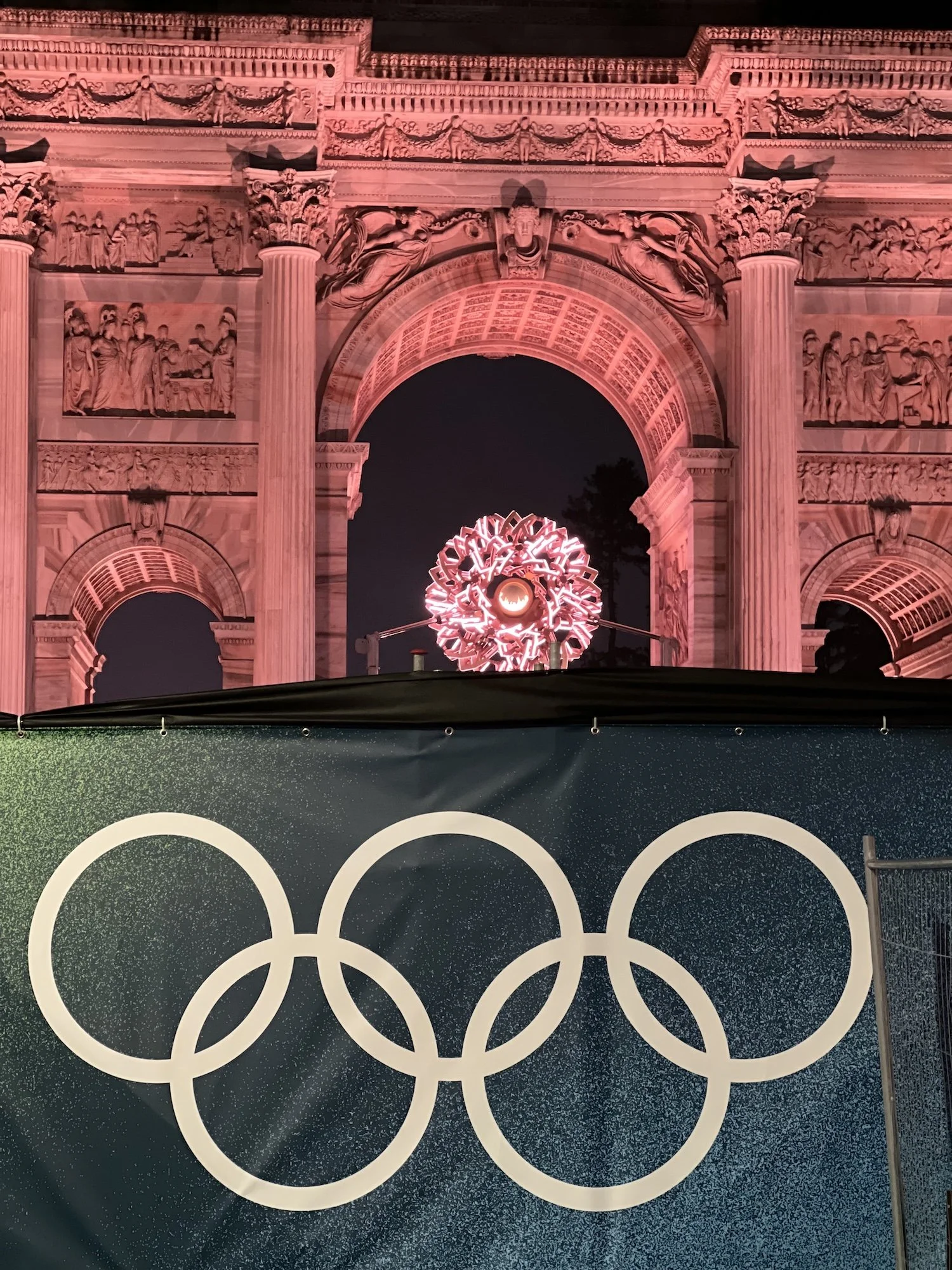
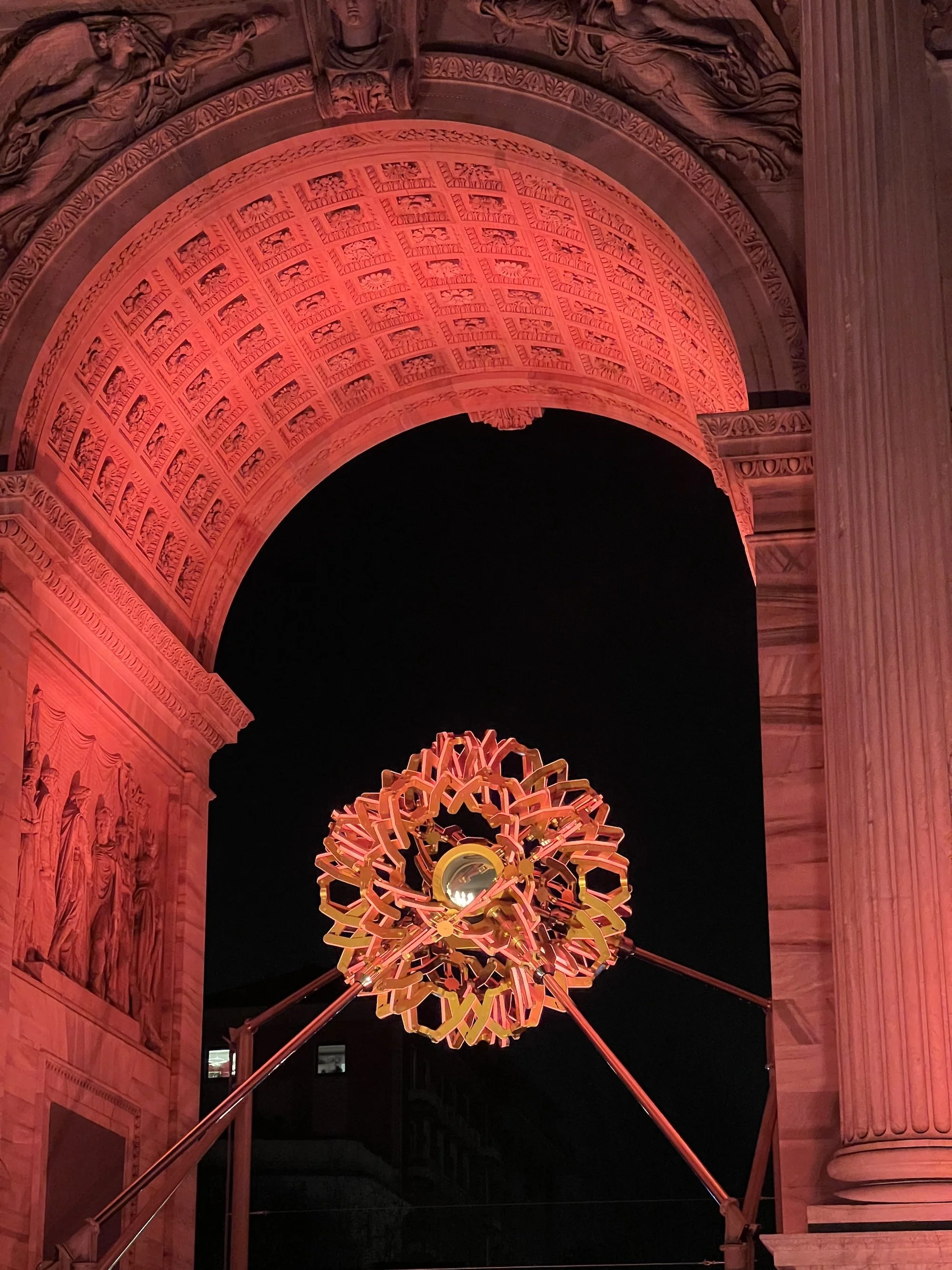
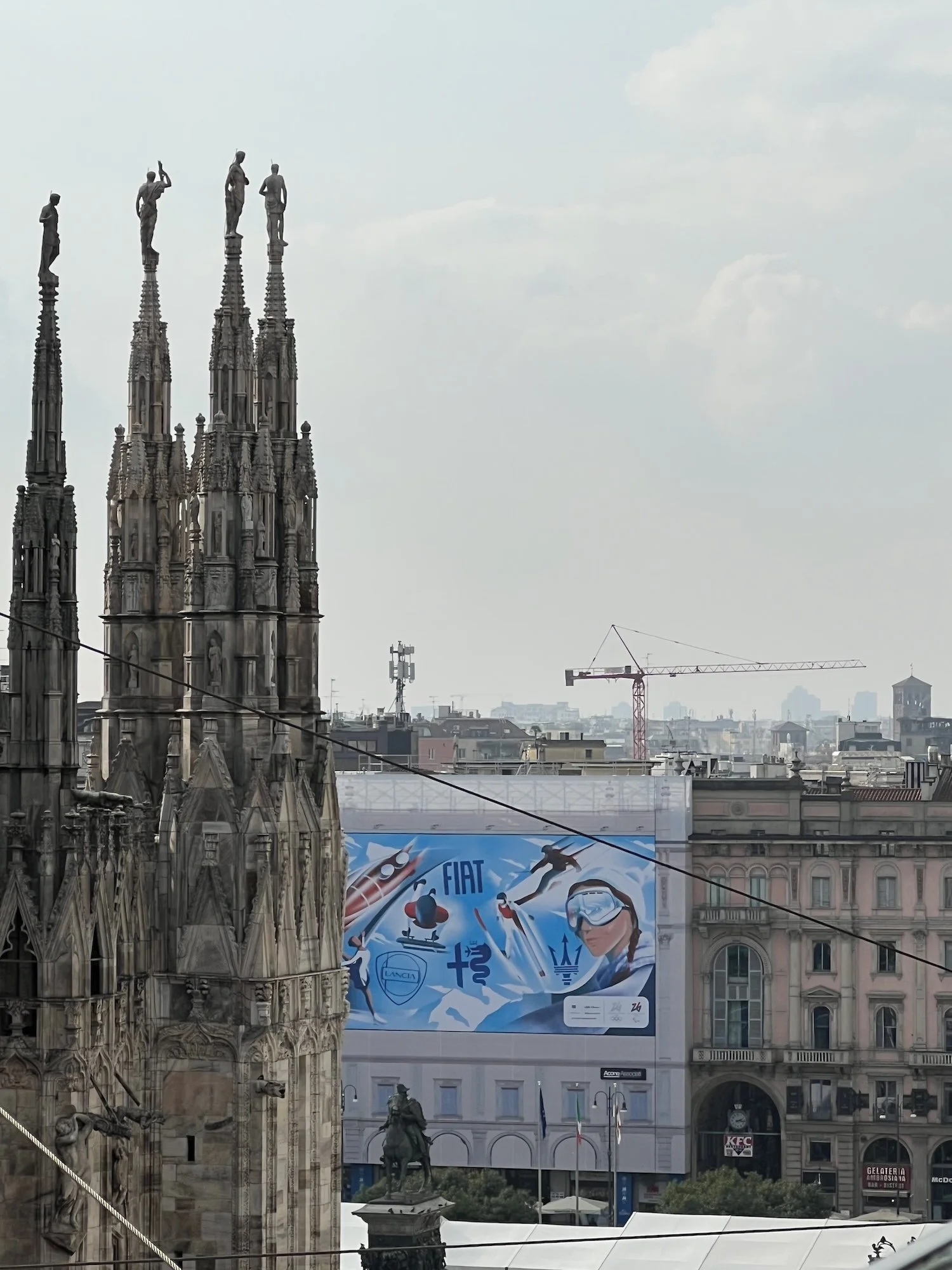
Public space is another major lesson. In Milan, the Olympic Boulevard, Piazza Duomo and the cauldron at Arco della Pace showed how streets, squares, parks and civic routes can become part of the Games footprint. For Cape Town, the report argues that public space should be planned as Games infrastructure, supporting movement, visibility, access and long-term improvements for residents.
The report’s ten learning measures include:
exploring the opportunities and implications of a geographically distributed Games model
establishing a clear governance and delivery model
strengthening city and regional rail as the backbone of Games mobility
investing in public spaces as a platform for the Games and beyond
using ceremonies and cauldrons to expand Games inclusion and athlete participation
adapting existing and planned exhibition and events venues for Games use
considering a more flexible Games accommodation model
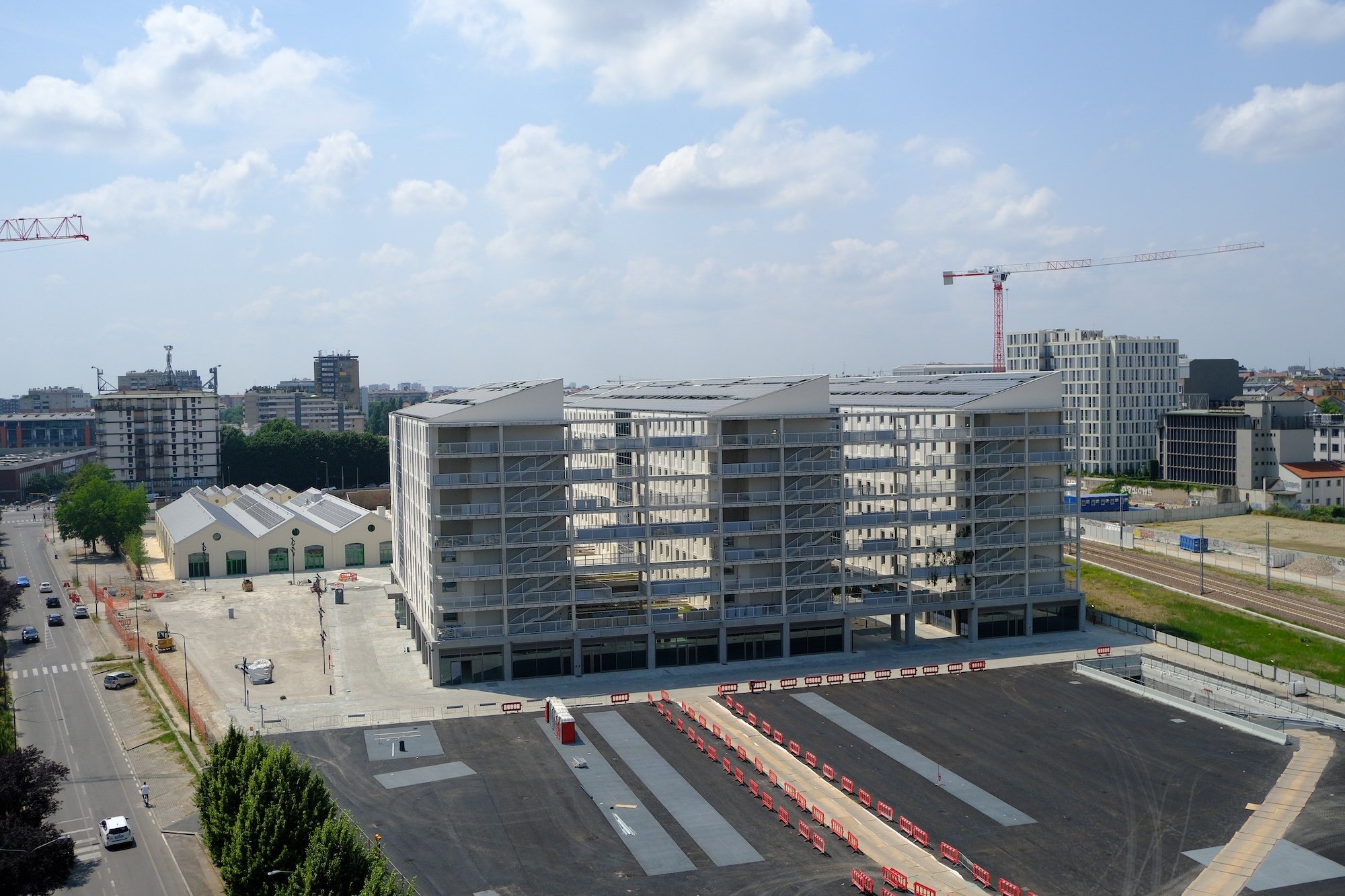
embedding Games venues within active and planned development districts
considering private-sector partnerships for venue delivery
expanding Games access through culture, fan engagement and partner activations
The publication forms part of CT2040’s ongoing research into the long-term feasibility, delivery and legacy opportunities of a future Cape Town and South Africa Olympic and Paralympic Games.
The full report is available now. Comments and reflections are welcome at hello@capetown2040.com.
Notes: