
CT2040 participates at World Association for Sport Management (WASM) Conference 2026
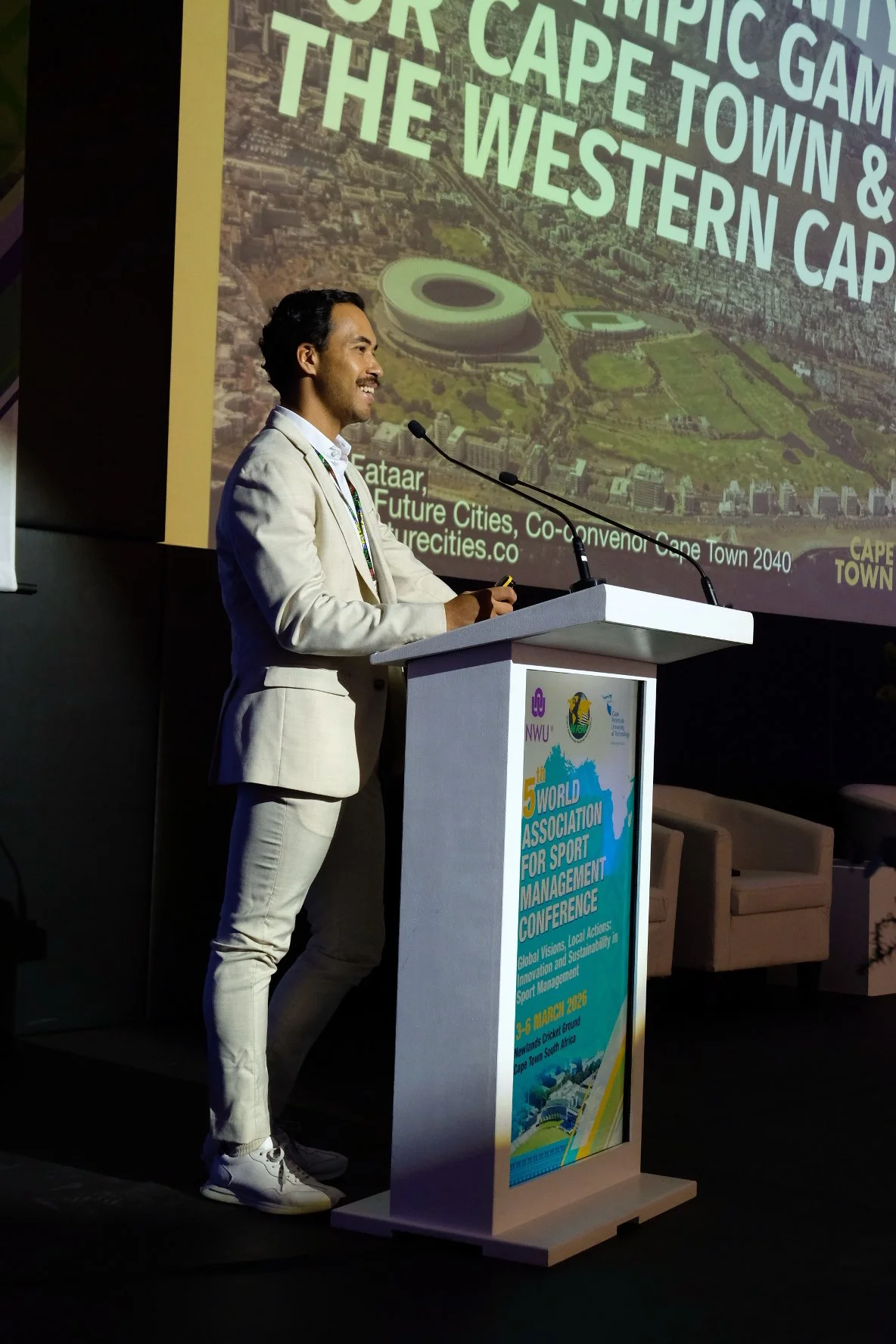
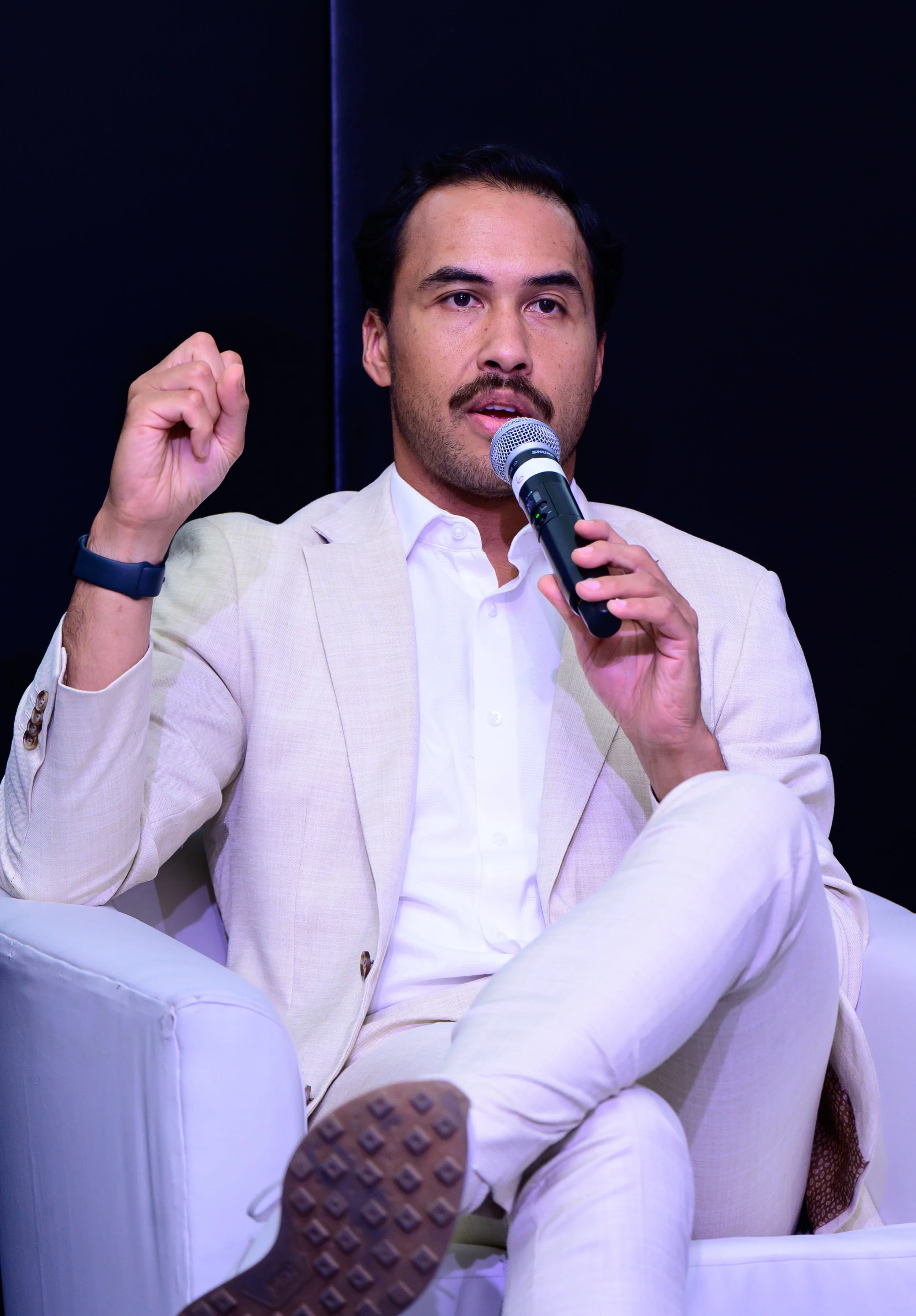
At the 5th World Association for Sport Management (WASM) Conference, co-hosted by CPUT and NWU, Rashiq Fataar (CT2040) helped convene and contribute to a series of discussions exploring exactly this question. Across both a dedicated workshop and a broader panel session, the focus was clear: how can global sporting events be shaped to meaningfully support long-term urban, economic, and social development?
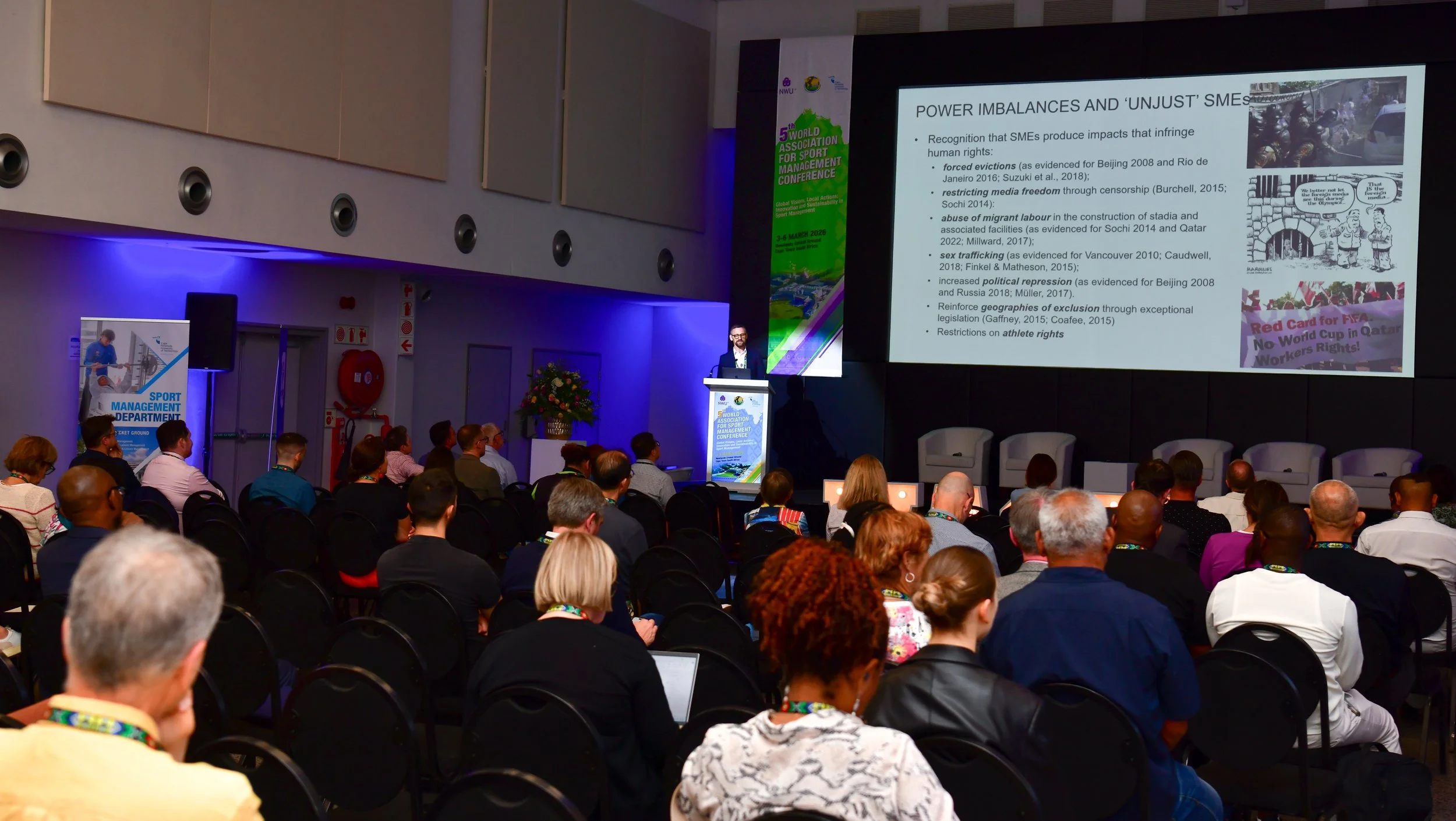
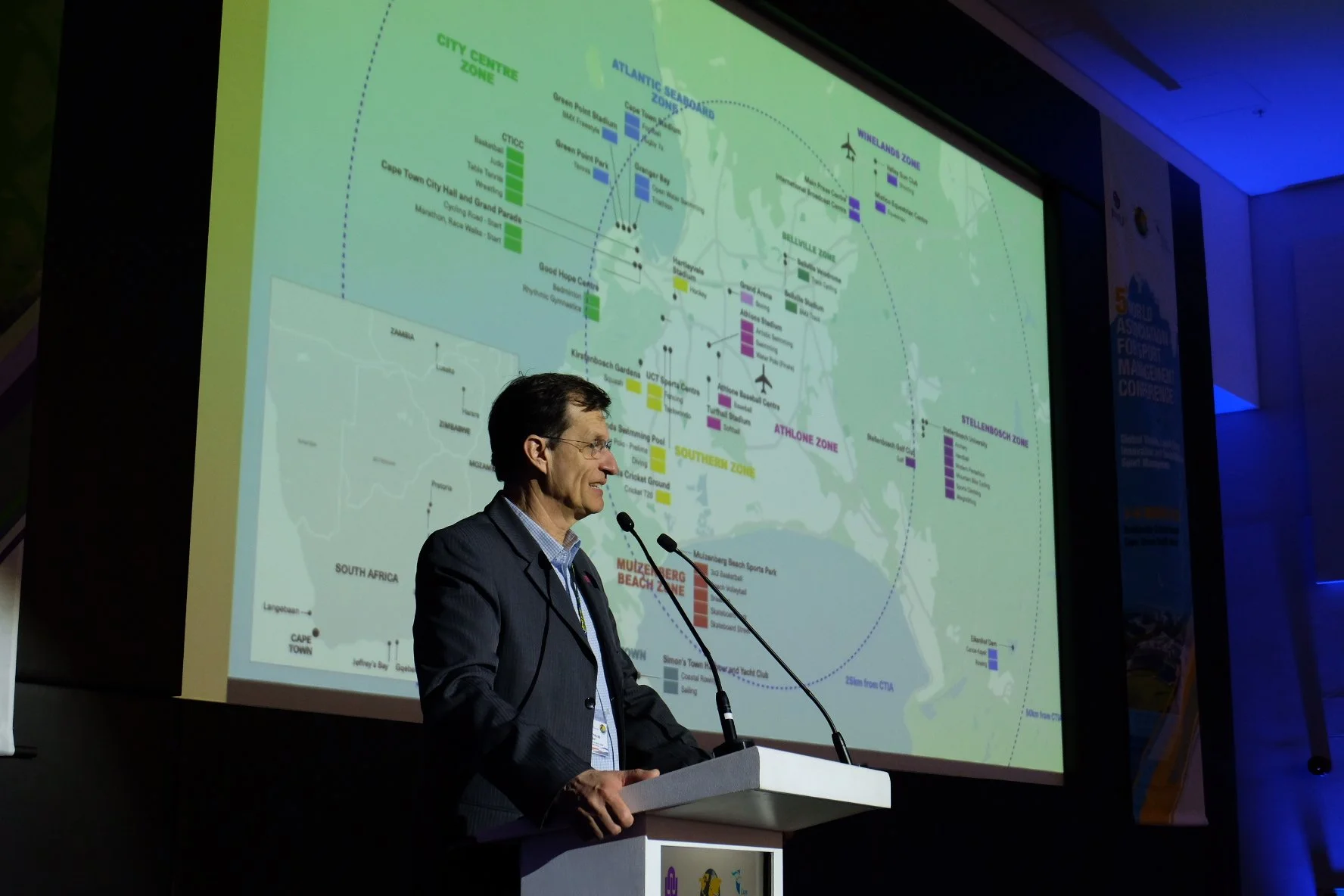
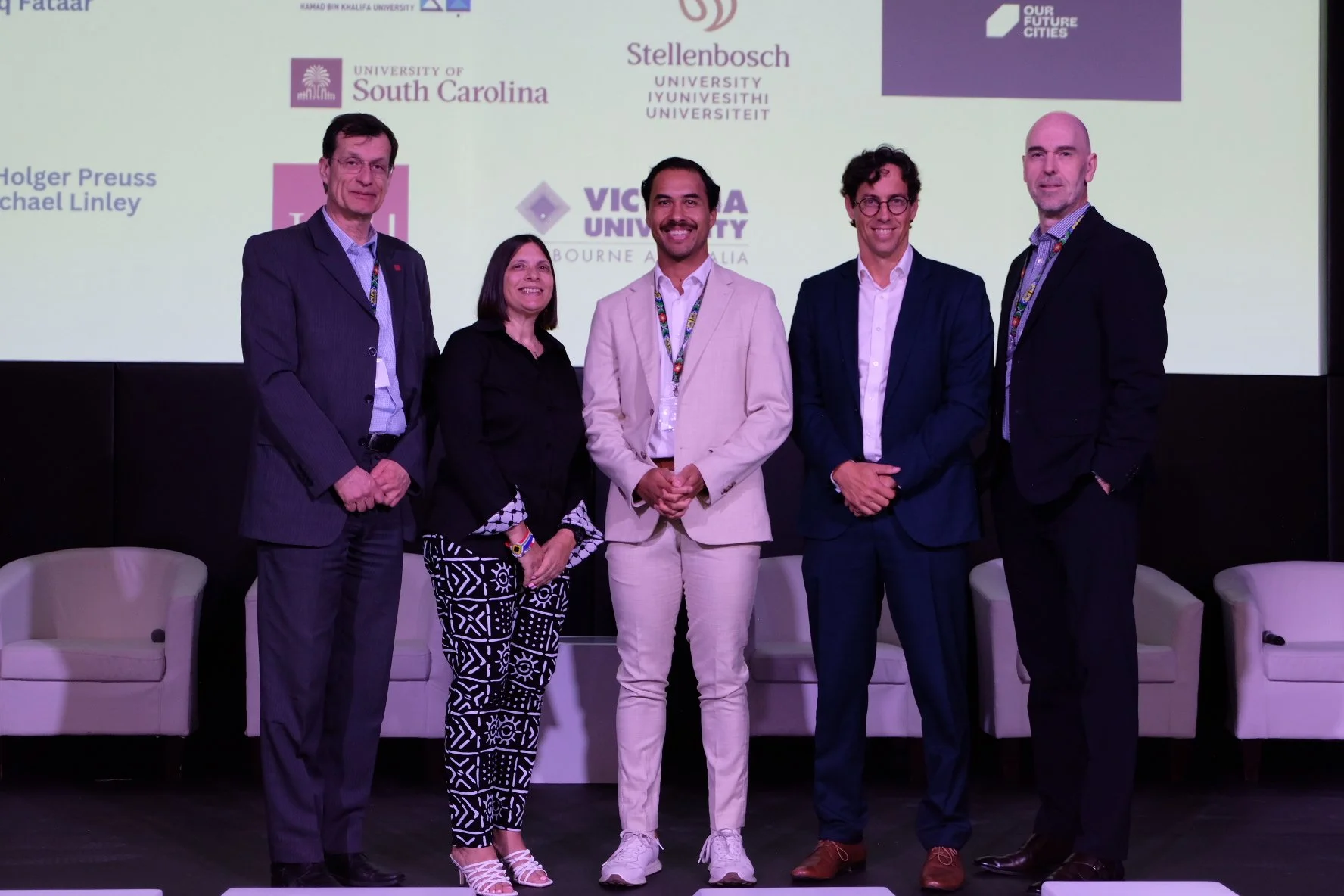
The workshop, “An Olympics in Africa? Shaping the Games to the City,” co-convened by CT2040 and facilitated by Dr. Kamilla Swart, brought together leading voices from academia and practice. Contributions from Dr. Swart, Prof. Johan Fourie (Stellenbosch University), and Rashiq Fataar were met with expert responses from Prof. Dr. Holger Preuss (IOC Legacy and Sustainability Commission) and Dr. Michael Linley, an advisor to major event and government agencies.
Grounded in reflections on Cape Town’s 2004 Olympic bid, the discussion examined how future Games could align with broader development goals. This included thinking of the Olympics not simply as a standalone event, but as a form of industrial policy — one that can drive investment in housing, infrastructure, and inclusive urban growth when strategically planned.
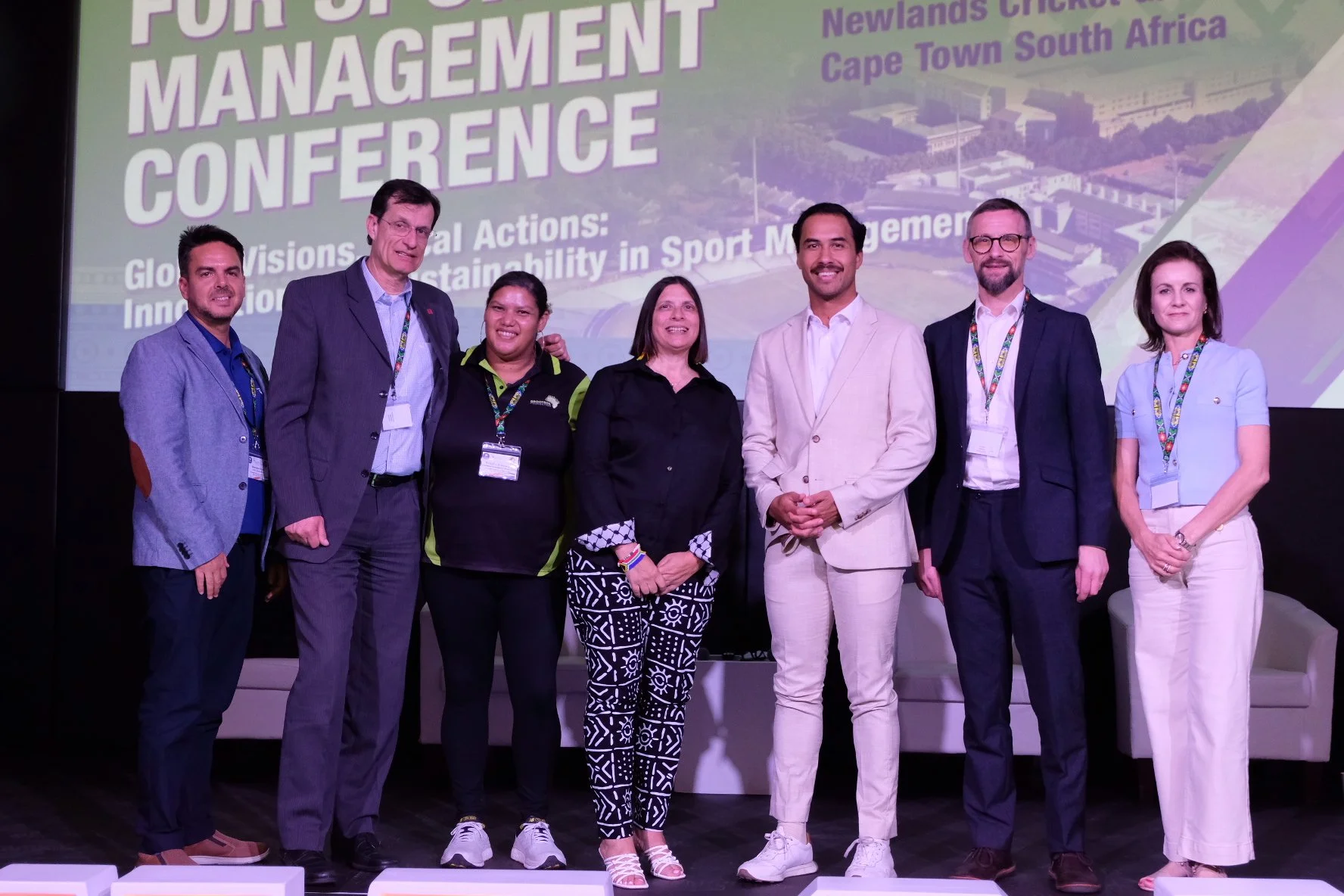
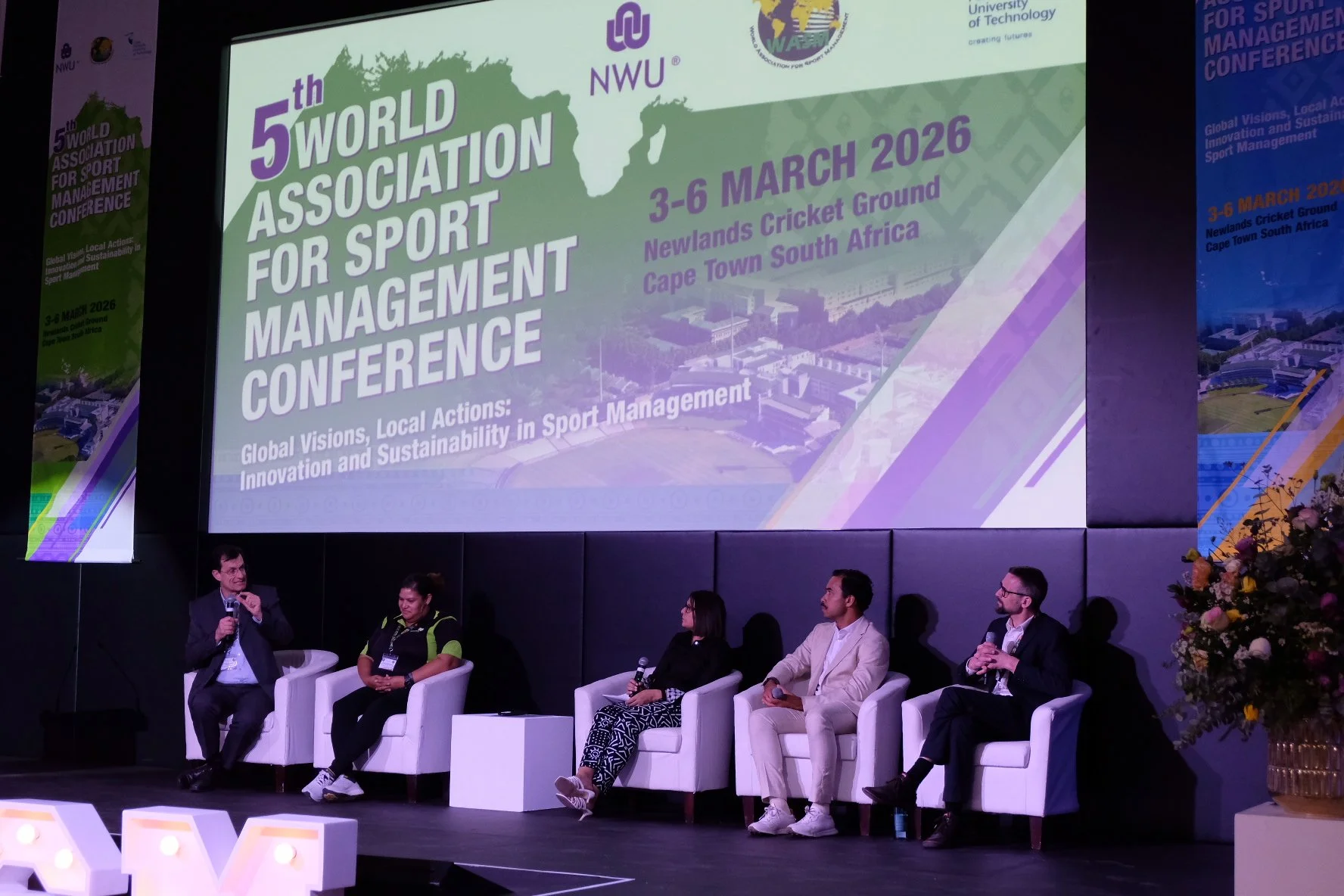
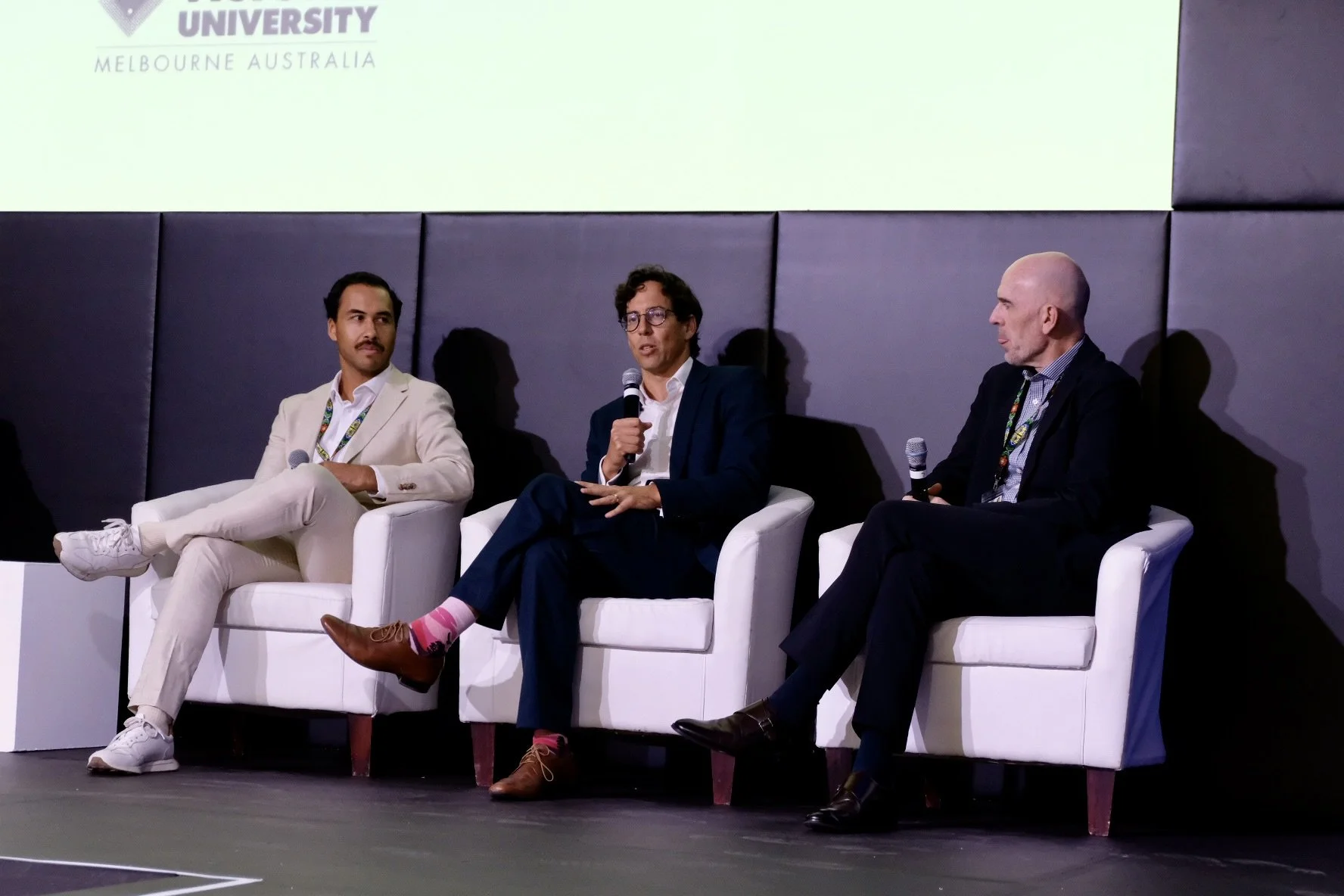
Extending this conversation, CT2040 also joined the panel “Sport Mega-Events and Sustainable Development,” again moderated by Dr. Kamilla Swart. Alongside Prof. David McGillivray, Prof. Holger Preuss, Natasha Bredekamp, and Rashiq Fataar, the discussion shifted toward implementation: what frameworks and approaches are needed to ensure these ambitions translate into real impact?
Set against the backdrop of a potential 2036 or 2040 Olympic and Paralympic Games, as well as upcoming events such as the 2027 Cricket World Cup, the panel explored how global frameworks like the Sustainable Development Goals (SDGs) and the IOC’s Agenda 2020+5 can guide more locally grounded and strategically sequenced hosting models.
A key takeaway across both sessions was that the idea of “legacy” must be fundamentally redefined. Rather than focusing primarily on venues and large-scale infrastructure, speakers emphasised the importance of investing in people and systems from the outset — including schools, youth development, grassroots sport, and institutional capacity.
What emerged from these discussions is a clear shift in perspective: mega-events are no longer just about spectacle. When approached critically and strategically, they can become tools to address long-standing urban challenges, unlock opportunity, and embed lasting benefits within the city.
For Cape Town, the question is not only whether it could host the Games — but how such an opportunity could be shaped to serve the city and its residents over the long term.